
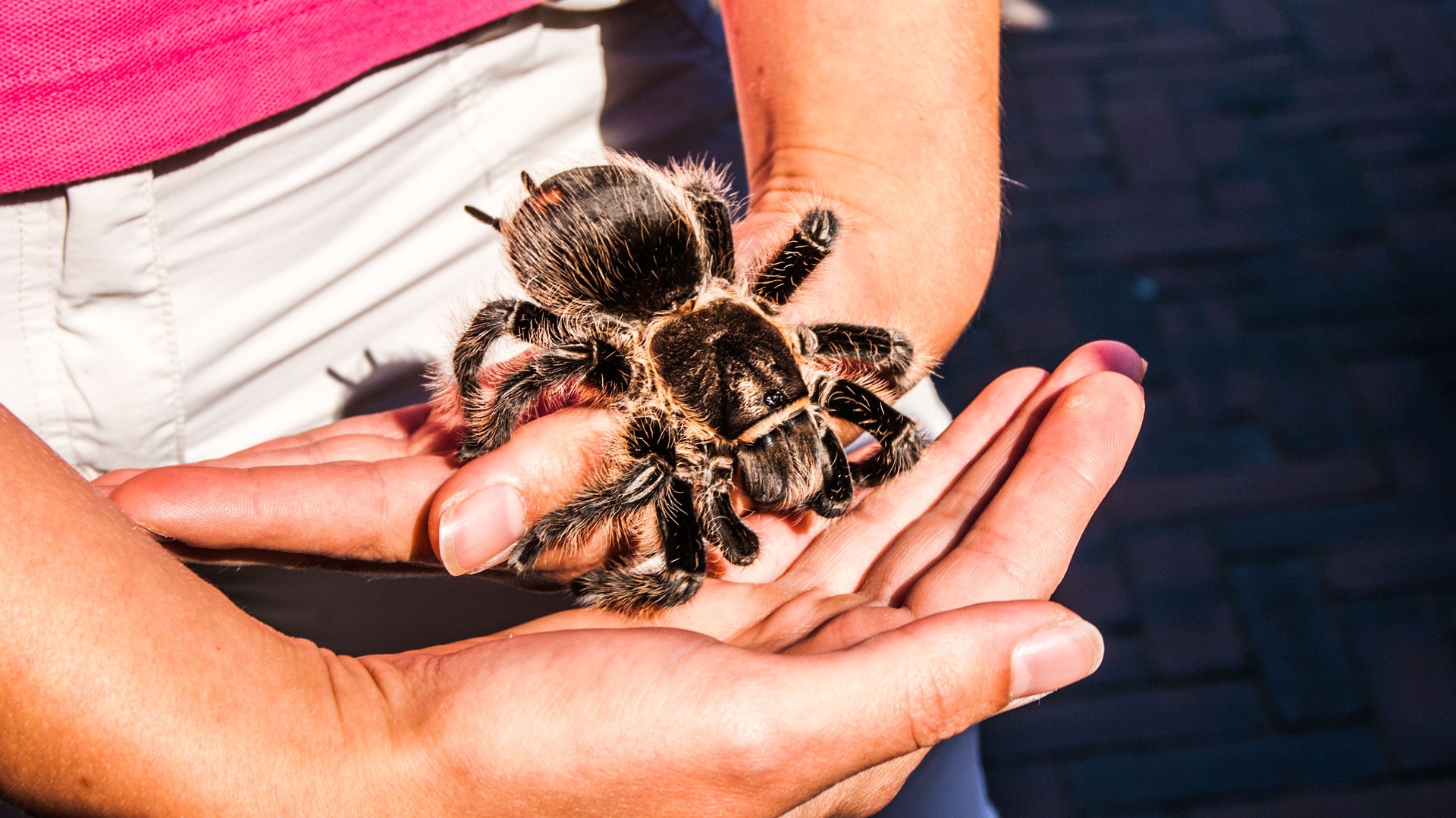
Oh no! Your tarantula bit you. What should you do? The first thing to do is calm down and realize that you’re not going to die...most likely. The truth is that for the majority of people, a tarantula bite is no more dangerous than other common spider bites or skin wounds.
Don’t believe anyone who tries to tell you that a tarantula is deadly venomous. The only people who need to seriously worry about tarantula bites are those who are allergic to tarantula venom or who develop a secondary infection in the wound, which can usually be prevented with appropriate first-aid.
So what should you do if your pet tarantula bites? Here are the steps to take.
Put your tarantula somewhere safe
If your exotic pet bites you, you need to stay calm. Put the tarantula back in its terrarium, or if you’re not near its tank, in a safe place where it can’t crawl away. That’s the first step. Do not panic, and do not throw your tarantula to the floor. It can be seriously injured that way, and believe me, your bite wound is not serious enough to kill your tarantula over.
Wash the bite wound
First-aid for a tarantula bite is pretty much the same as it is for any other puncture wound. You need to wash your hands (or whichever body part got bitten) with soap and water, paying extra attention to the bite wound.
Apply topical medicine and a bandage
You should put some kind of antibacterial medicine on your spider bite. Bactine spray or Neosporin ointment are both good options. If the bite hurts, you may want to select a topical treatment with pain reliever in it.
What else can you do?
The venom in your spider’s bite is going to cause some pain and swelling, but this is temporary irritation. Its venom is about as strong as the venom in a bee or wasp sting. Your immune system should take care of it with no problem. If you have pain or swelling, you may want to take an anti-inflammatory medication, such as aspirin or ibuprofen. After that, be sure to change the bandage about twice per day until the wound closes. If swelling or redness increases, make an appointment with a doctor to check for infection.
Be aware, however, that a spider bite can be much more serious if you are allergic to its venom, again, like a bee sting is dangerous to those who are allergic. If you notice a rash, itchy skin, swelling of your tongue or throat, or difficulty breathing, you need emergency care right away. If available, take an antihistamine like Benadryl to reduce symptoms until medical help arrives, or if you have a prescription Epipen, use it.
If you know you are allergic to tarantula venom, you should not handle your spider.
You can reduce the occurrence of bites from your pet tarantula by following bite prevention techniques. The first thing to know is that spiders are not cuddly pets. They don’t really like being handled, so you should limit the amount of time you handle your pet to reduce its stress. A stressed spider is more likely to bite.
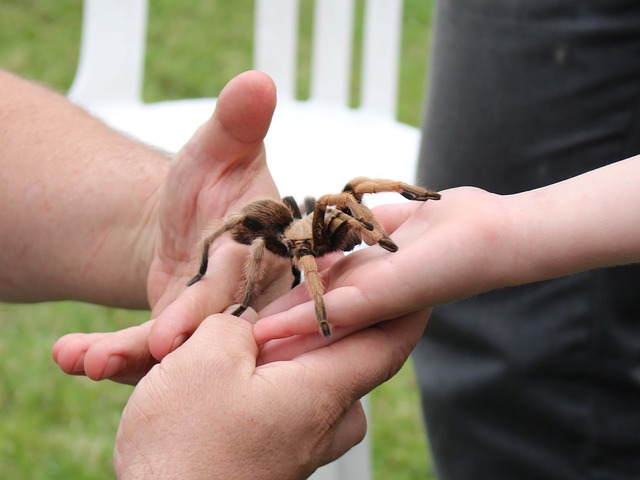
That being said, a spider that is never handled is going to feel more stressed when it is. Make a handling schedule where you pick up your spider for a brief period of time a couple times a week. Prolonged handling is more likely to result in a bite. Some tarantulas are more docile and less likely to bite than others.
Come see our selection of tarantulas at The Tye-Dyed Iguana. Our friendly staff is happy to show you proper handling techniques.
Frequently Asked Questions
What happens if a tarantula bites you?
Most beginner-friendly tarantula species deliver a bite comparable to a bee sting: localized pain, minor swelling, and redness that resolves within hours to days. Wash the bite with soap and water, apply ice, and take an over-the-counter pain reliever if needed. Seek medical attention if you experience an allergic reaction or symptoms beyond the bite area.
How do I avoid getting bitten by my tarantula?
Read your tarantula's body language: a raised threat posture (front legs up, fangs visible) means back off. Never grab a tarantula from above. Move slowly and calmly during handling and enclosure maintenance. Avoid handling during or right after molting, and never handle a tarantula when it is in feeding mode.
Frequently Asked Questions
What should I do if a tarantula bites me?
Clean the bite with soap and water, apply a cold compress to reduce swelling, and take an over-the-counter pain reliever if needed. Most pet tarantula bites are comparable to a bee sting. If you experience severe swelling, difficulty breathing, or allergic reaction symptoms, seek medical attention immediately.
How do I avoid getting bitten by my tarantula?
Move slowly and predictably, never startle the spider, avoid handling during or after molting (they are defensive), use a paintbrush or gentle nudge to guide them rather than grabbing, and learn to read defensive postures (rearing up, showing fangs). Most bites happen because the handler moved too fast or ignored warning signs.