
Cleanup Crew Showdown—Isopods Vs. Millipedes
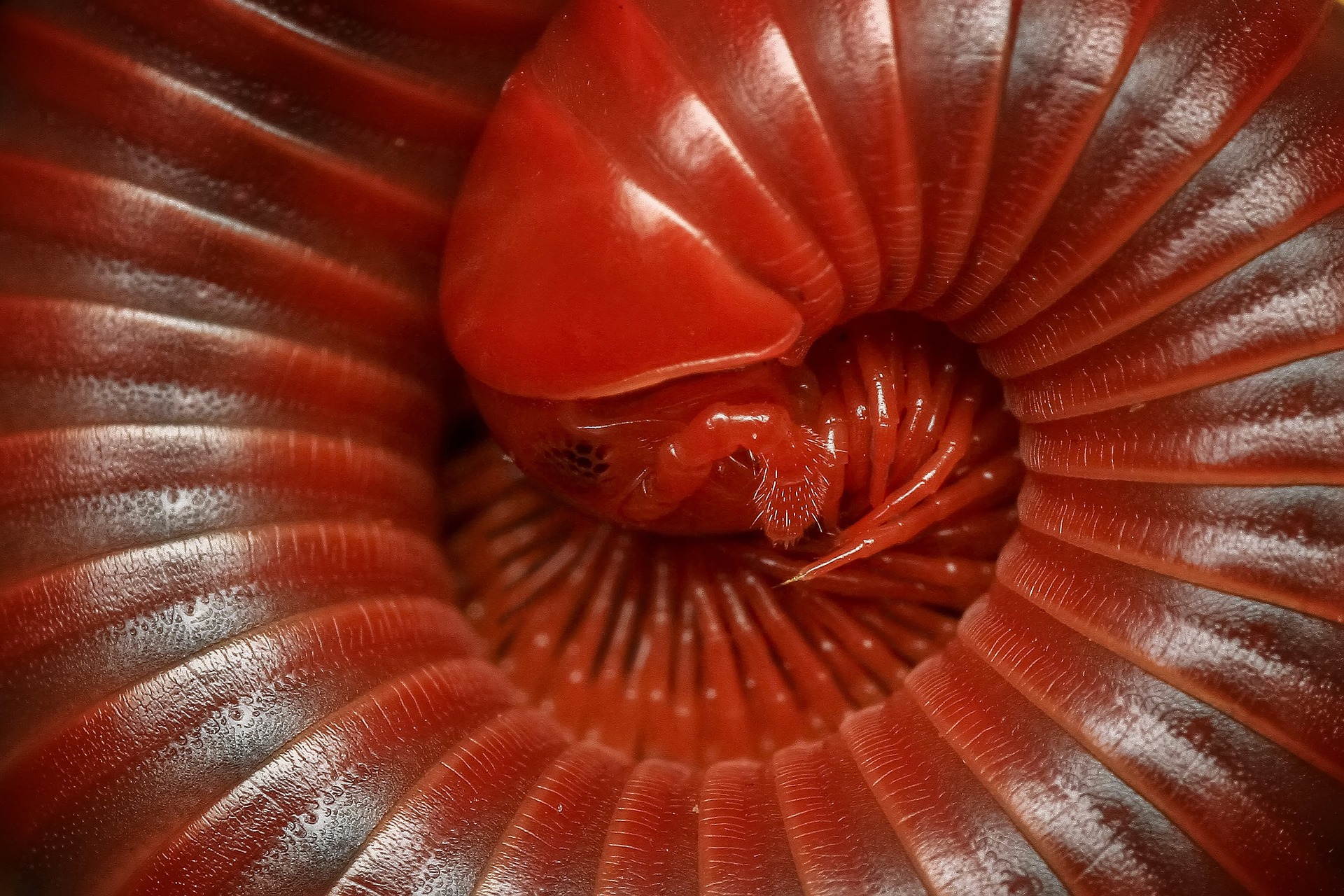
Photo courtesy of Ronny Overhate
Detritivore: An animal that feeds on dead organic material, especially plant detritus.
In other words, the cleanup crew.
Many small creatures can fit the job, but if you’re looking for a cleanup crew for your bioactive terrarium, then you probably want to know which ones work best. To that end, I’ve rounded up some information about the most popular custodial creatures to help you select the right arthropod for the job.
This week we’re taking a look at the differences between isopods and millipedes.
Contender #1 – Isopods
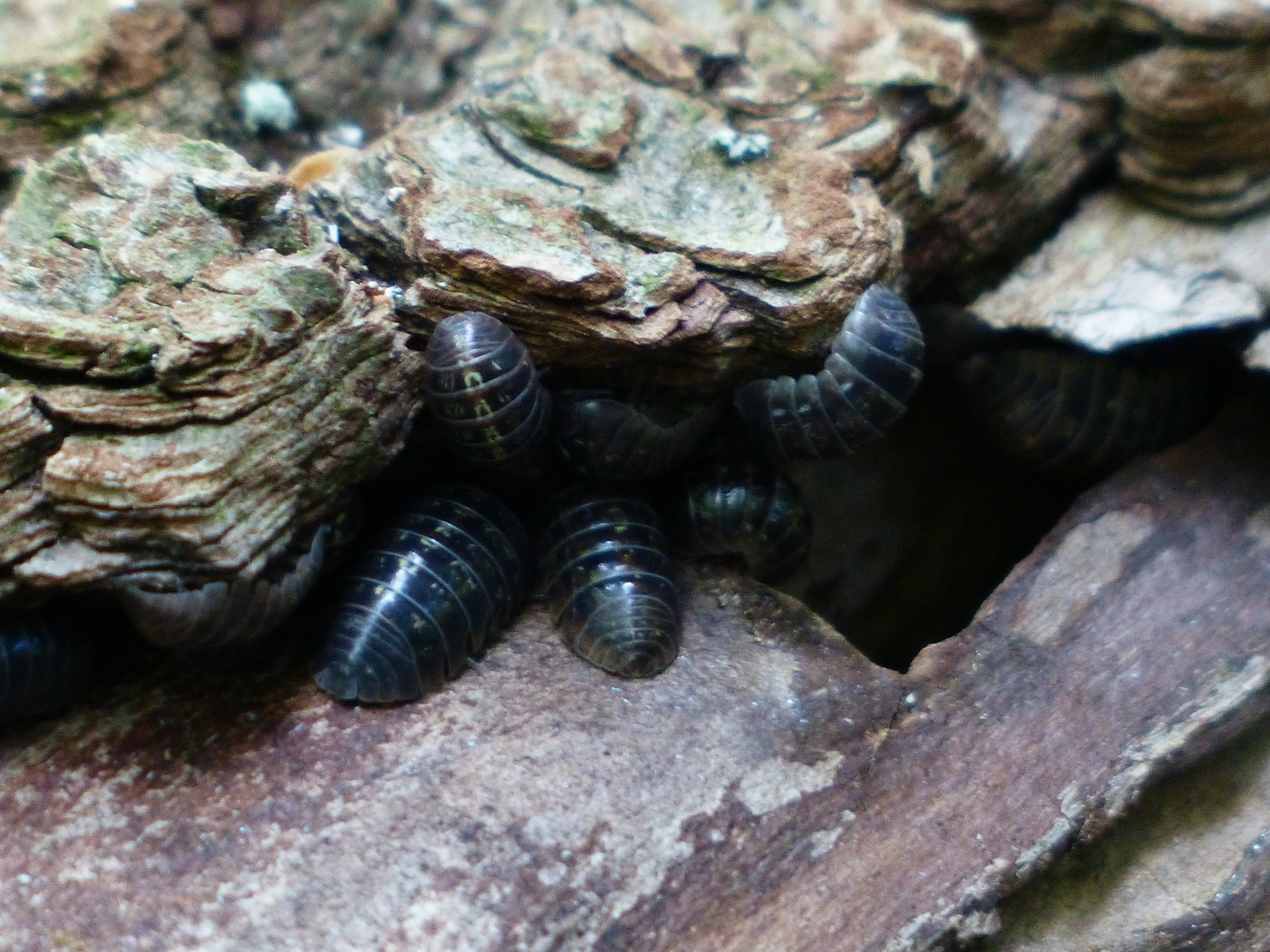
Isopods come in many varieties and are generally small, but large enough to see with the naked eye.
Pros
Isopods aerate the soil, consume waste matter (such as decaying plants or leftover feeder insect parts), and help to fertilize plants in the vivarium.
One of the things that make isopods so popular with keepers is that they come in many different sizes and colors. You can make them a part of your terrarium aesthetic.
They are known as the go-to vivarium custodian for good reason. They are fairly easy to breed and keep alive. In fact, we have an article on how to breed your own isopods if you’re interested. Check it out here.
Cons
If you’re keeping these custodians in a tank with animals, know that some arachnid species will eat the isopods. However, it shouldn’t be much of a drawback since isopods breed quickly, and eating them does not harm spiders or scorpions. In fact, some keepers consider this a perk.
Isopods require a fairly humid environment, so they can’t be used in terrariums that house dry-climate species.
Contender #2 — Millipedes
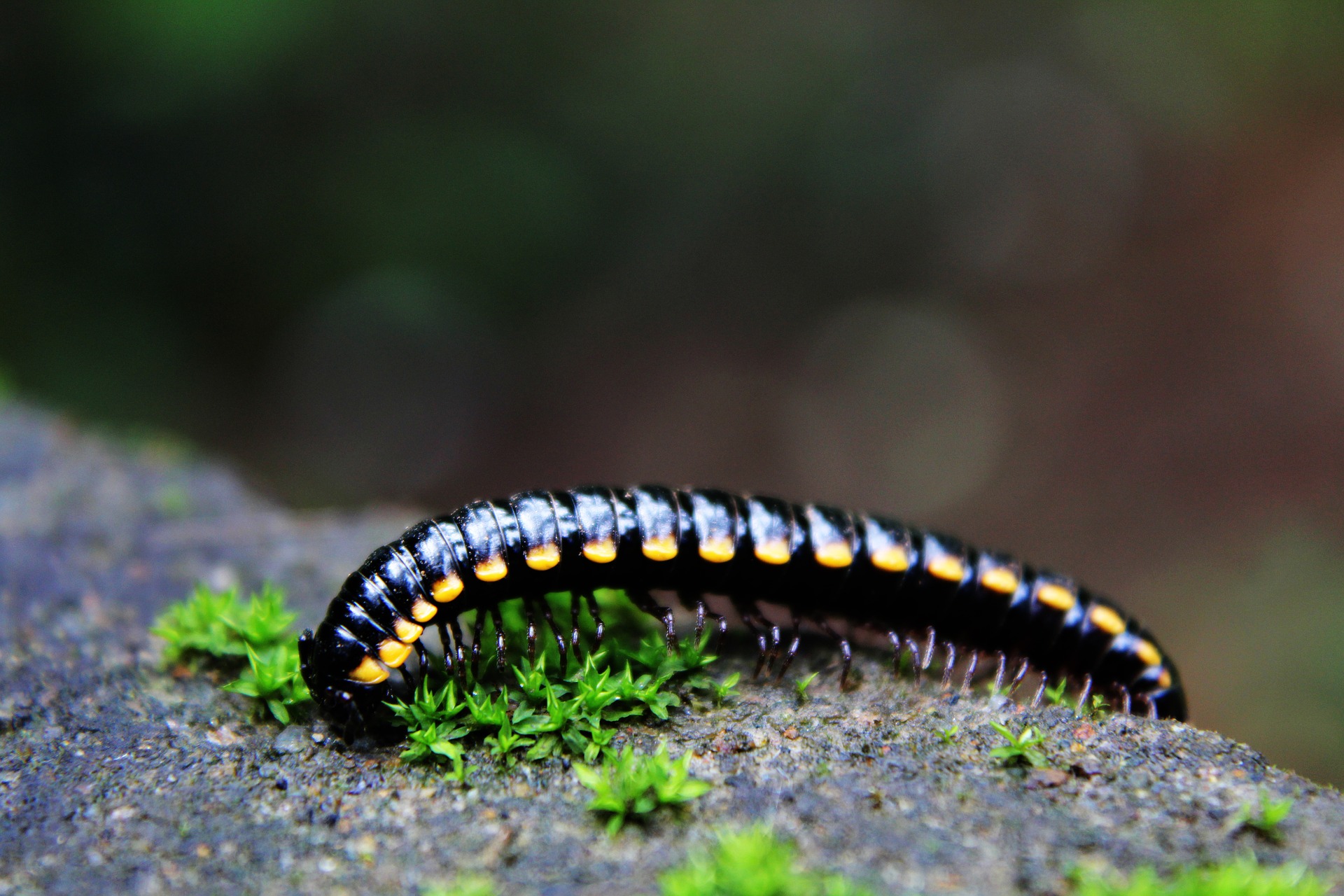
Millipedes come in two primary varieties — common millipedes and centipedes. Centipedes should not be kept in your bioactive terrarium at all; they can bite reptile and amphibian inhabitants.
Common millipedes, on the other hand, may occasionally release defensive toxins, but they are pretty harmless and are likely to just make your exotic pet spit them out if they’ve attempted to eat the millipede.
Pros
Millipedes also help with aerating soil, getting rid of waste matter, and fertilizing the plants in your vivarium.
Like isopods, they come in multiple varieties that look different from each other, but there currently aren’t quite as many millipedes varieties available as isopods.
Cons
Like isopods, millipedes require higher humidity levels, making them unsuitable for desert species.
They also happen to be toxic, so you’ll need to wash your hands any time you come in contact with them.
Showdown winner…
Both isopods and millipedes come in multiple varieties, allowing you to have some aesthetic diversity in your bioactive terrarium. That being said, it’s easier to find many varieties of isopods, and they aren’t toxic, so they are the winner of this week’s showdown.
Of course, there’s no reason you have to keep only one species of custodian. You can mix isopods and millipedes in the same bioactive terrarium if you want to. Isopods may prey on baby millipedes, but for the most part you shouldn’t have problems combining them.
Read next week’s blog to see the pros and cons of two other species of vivarium custodians, and then we’ll reveal the ultimate winner of the cleanup crew showdown.
Frequently Asked Questions
Are millipedes or isopods better for a cleanup crew?
Isopods are generally the better choice for bioactive cleanup crews. They are smaller, reproduce more readily, and process a wider range of waste. Millipedes are larger and can be disruptive in smaller enclosures. However, millipedes can supplement isopods in very large setups where extra decomposition is needed.
Will millipedes bother my reptile?
Most millipedes are harmless to reptiles, but their size can be a concern in smaller enclosures. Some millipede species secrete mild defensive chemicals when stressed, which could irritate sensitive species. Isopods are generally safer and less intrusive cohabitants for most reptile and amphibian setups.
Frequently Asked Questions
Can millipedes be used as a cleanup crew?
Millipedes can help break down organic matter but are not a replacement for isopods in a bioactive setup. They are larger, may compete with the enclosure's primary inhabitant for space, and some species secrete mild defensive chemicals. Isopods are smaller, more prolific, and better suited as dedicated cleanup crew members.
Will isopods and millipedes live together?
Yes, they can coexist. In large, well-established bioactive enclosures, isopods and millipedes occupy slightly different niches. However, for most standard setups, isopods paired with springtails are more practical and effective than adding millipedes, which are better appreciated as display pets in their own right.