
Wire Light Fixtures vs. Dome Light Fixtures for Reptiles, and Everything Else You Need to Know about UV
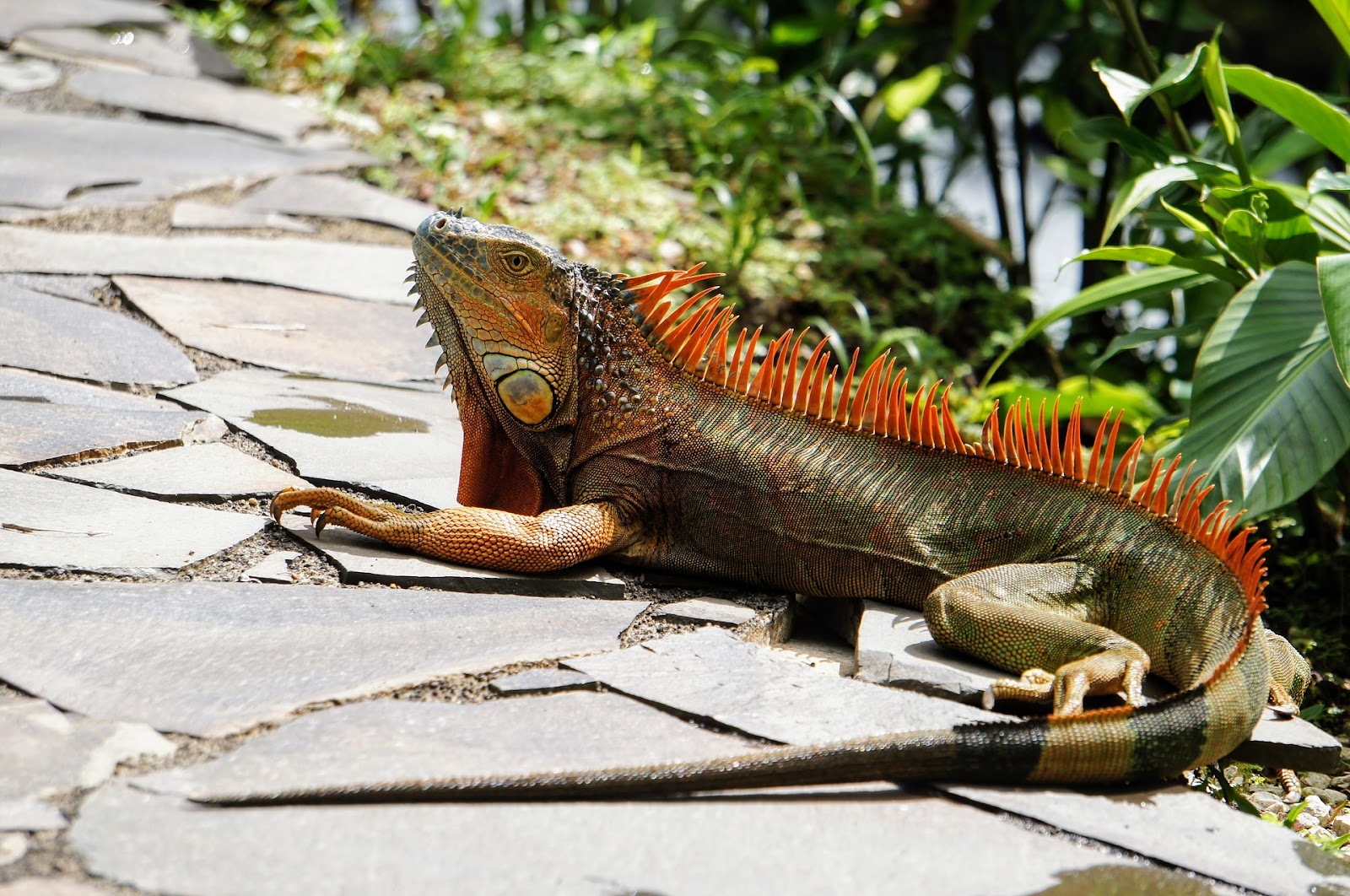
Photo courtesy of Giancarlo Piccinato
When you're ready to take home a new reptile or amphibian one of the first things you'll need is a UV lamp. That's because many species are diurnal and require heat and a UVB light source. You may notice that basking lights can be placed in two different kinds of light fixtures—wire fixtures or dome fixtures.
Is one better than the other?
This article looks into the differences between wire and dome light fixtures, including the pros and cons of each, as well as why exotic pets need UV lighting. Let's get started…
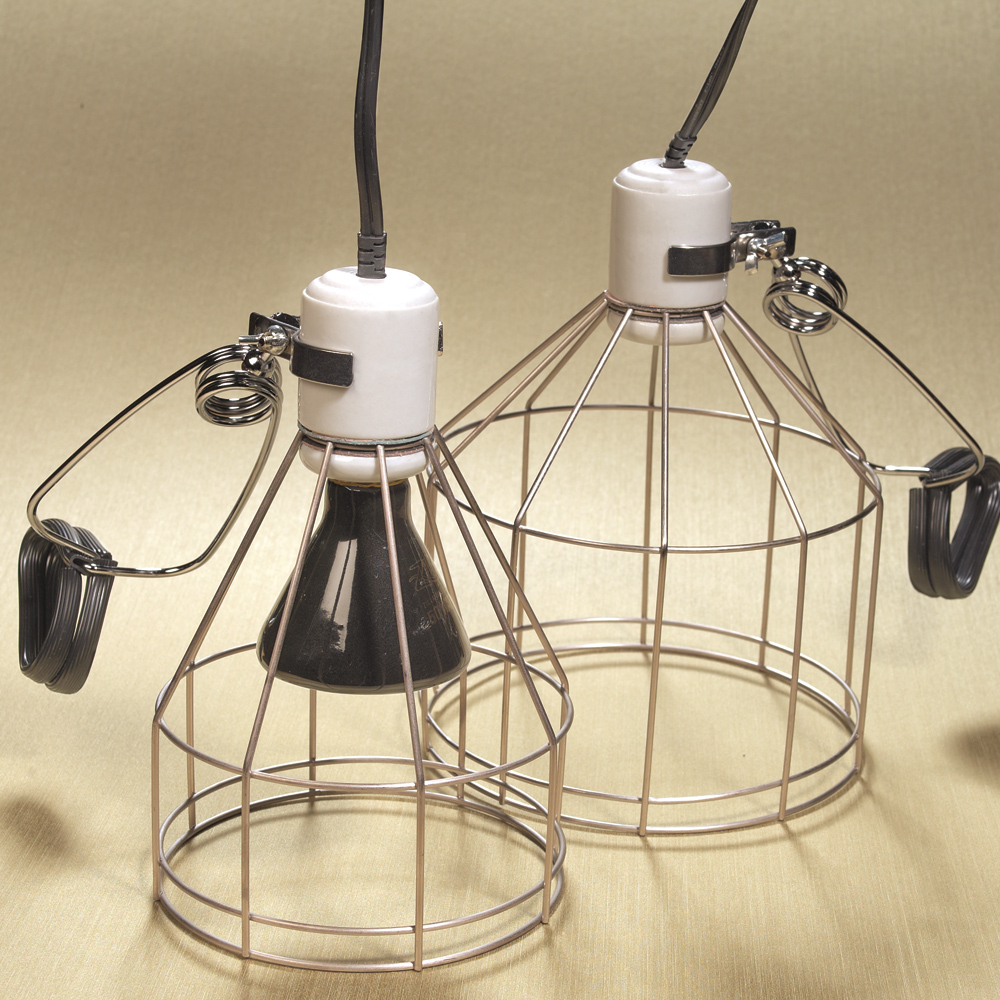
Wire light fixtures
Wire light fixtures are typically wire metal cages for a light bulb affixed to a porcelain light socket. They do not shield eyes from any of the light being emitted from a heat lamp or UVB bulb. So why is there anything around the socket at all if it doesn't reduce the light outside an animal's enclosure?
Simple. The wire is there to protect people and animals from touching the bulb accidentally, and to protect the bulb from tapping against the side of the enclosure and breaking.
Pros:
- Wire design prevents the bulb from overheating.
- Extends the life of your bulbs.
- Safe for ceramic heat emitters.
- Creates a good temperature gradient for pets.
Cons:
- Kind of ugly to look at.
- May raise the temperature of the room it's in slightly because the bulb is not shaded.
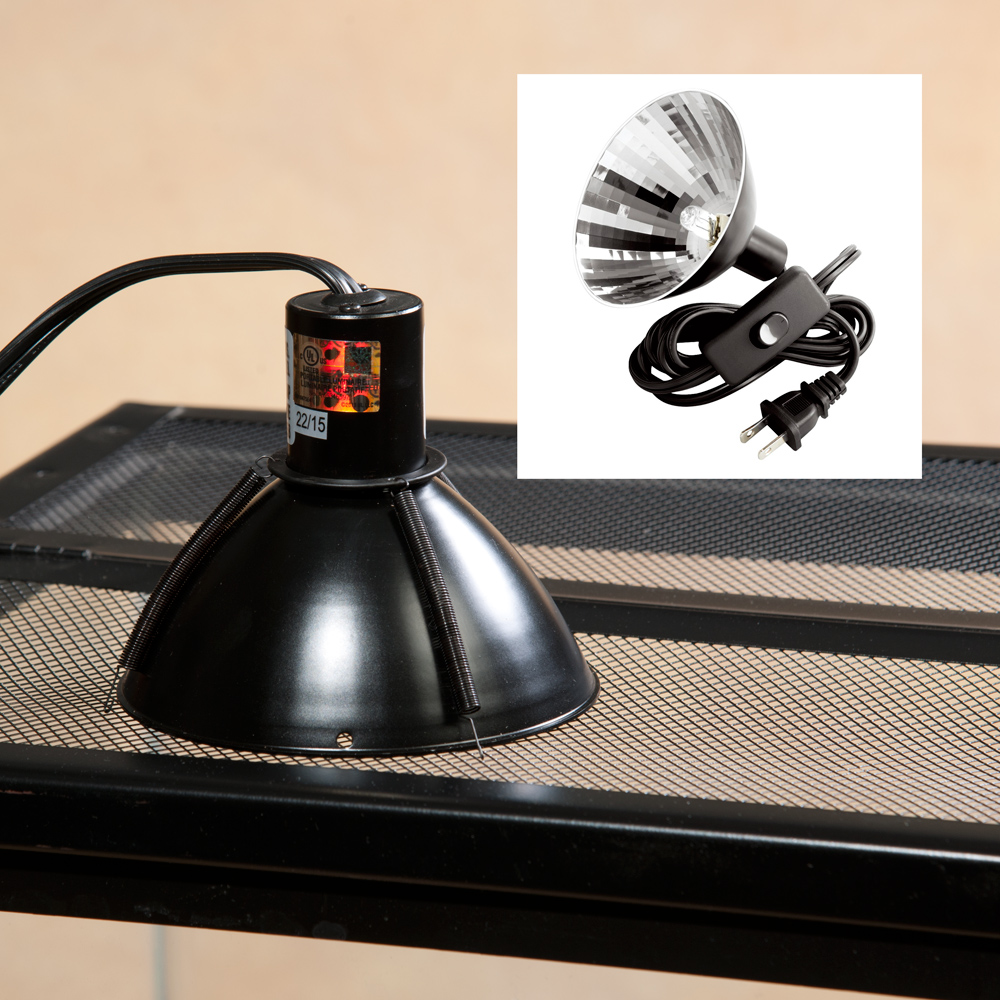
Dome light fixtures
Dome light fixtures are typically made of metal and create a deep dome around the outside of the bulb. This shades the bulb, and prevents some of the heat and light from reaching human inhabitants a room. Although it is designed with polished aluminum on the inside to reflect more heat and UV rays out into the enclosure, it does not give as much of a gradient as the wire fixture.
Pros:
- More attractive than wire light fixtures.
- Keeps more of the heat in the animal’s enclosure rather than escaping into the room.
Cons:
- More likely to cause bulbs to overheat and burn out faster.
- Reduces the area of the heat gradient in the enclosure.
Because UVB and heat bulbs can get expensive and need to be replaced over time, many exotic pet specialists recommend wire fixtures.
UV lighting
A variety of UV lighting is essential to many reptile species. In fact, most reptiles can see a greater range of light than humans can, meaning they have additional colors in their rainbow. This is quite beneficial for them. For instance, they are able to sense infrared light in many cases, and since they are cold-blooded, they require the heat from infrared light for energy and warmth.
Many reptiles also see a wider spectrum of light, including both the visible spectrum and UVA (which humans cannot see). And although they can’t see UVB light, it is required to convert compounds in the skin into vitamin D.
If your exotic pet is diurnal, then it will be healthiest in an environment that provides UVB, UVA, and infrared light.
Unfortunately, because humans also cannot see UVB light it's impossible to tell when your UVB bulb runs out. At the Tye-Dyed Iguana, we provide free UVB bulb checks to ensure your pet is getting enough UVB and vitamin D.
Come into our shop any time to have your bulb checked.
Frequently Asked Questions
Which is better for reptiles: wire or dome light fixtures?
It depends on the bulb type and enclosure. Dome fixtures concentrate heat in a focused basking spot and are better for heat and UVB bulbs. Wire fixtures (like strip hoods) spread light more evenly and are better for linear UVB tubes and general illumination. Many setups benefit from using both.
What UVB fixture should I use for my reptile?
For desert species needing high UVB (bearded dragons, uromastyx), use a T5 HO linear fixture spanning two-thirds of the enclosure with a 10-12% UVB tube. For forest/shade species (crested geckos, ball pythons), use a lower output fixture (5-7% UVB). Replace UVB tubes every 12 months regardless of visible light output.
Frequently Asked Questions
Are dome or wire light fixtures better for reptiles?
Both have uses. Dome fixtures direct heat downward to a focused basking spot and contain the bulb securely. Wire fixtures (like clamp lamps) allow more airflow around the bulb, reducing fire risk with high-wattage bulbs. For most setups, a quality dome fixture with a ceramic socket rated for your bulb's wattage is the safer choice.
Can I use a regular lamp for my reptile?
Using regular household lamps is not recommended. Reptile fixtures are designed with ceramic sockets that handle the high heat output of basking bulbs and UVB lamps. Household lamp sockets are typically rated for lower wattages and can melt or create a fire hazard with reptile bulbs.