
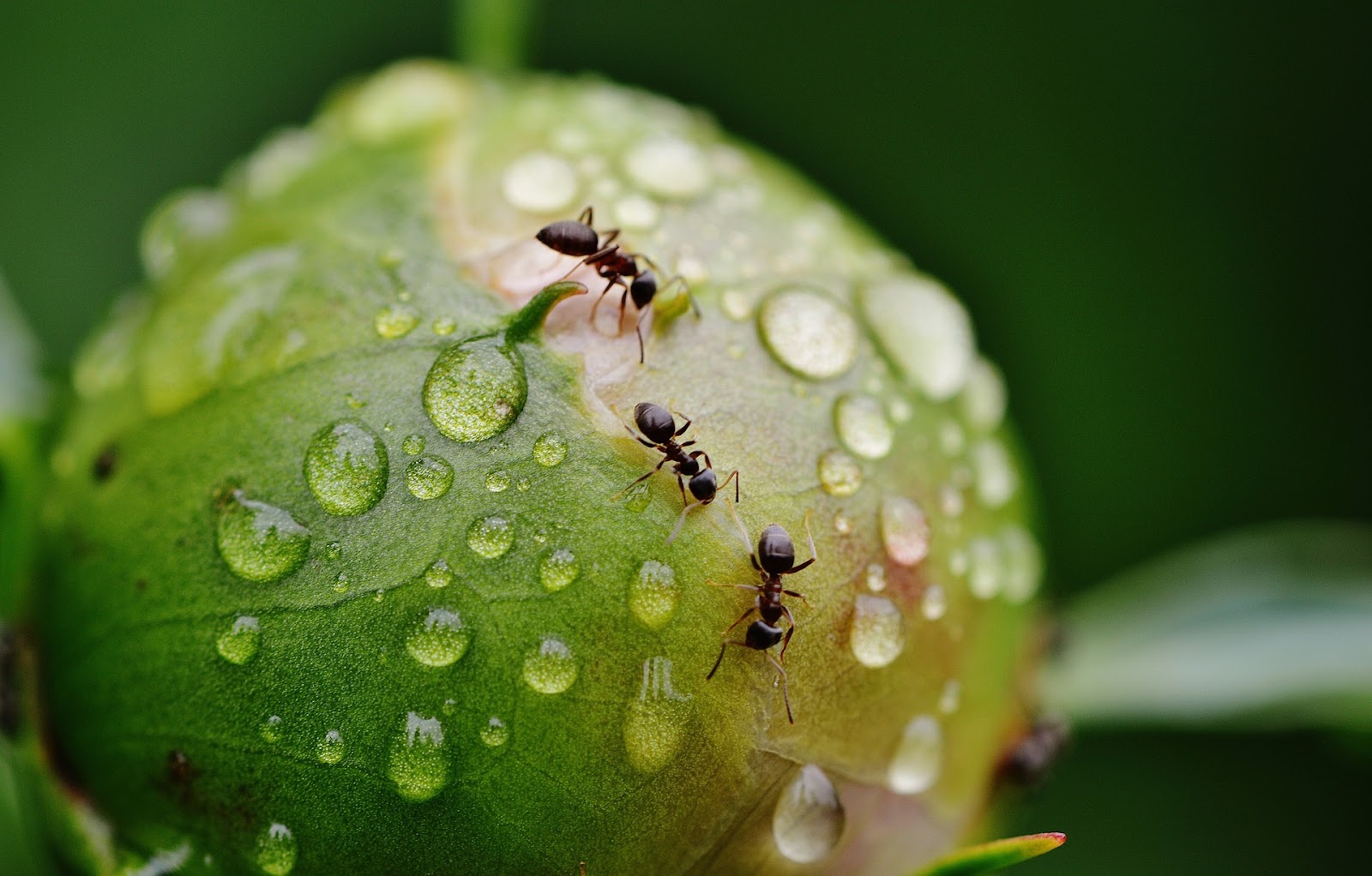
Ants are a fairly common indoor pest, and keeping house plants can provide them with places to build nests inside. If you have potted plants, it’s possible for ants to form colonies near their roots, and this is a problem for your plant.
Unlike outdoor plants, indoor plants have a finite amount of soil space to share with ants, and that means the ants can start to destroy the roots as they try to make more room for themselves. Destroyed roots will lead to poor plant health, obviously.
Not to mention you probably don’t want ants living in your house for other reasons.
So when these insects take up residence in your indoor plants, here’s what to do…
Set out ant baits
Getting rid of ants in your plants is pretty much the same as getting rid of ants anywhere in your home. The ants are looking for food sources. They may have found some in your plant and are bringing it back to a larger nest somewhere else.
But once they are in the house, they will continue looking for bits of food.
To stop them from spreading beyond your potted plants, set out ant baits that poison them and destroy the colony.
For baits to be effective, you have to watch the ants’ behavior and make sure you place the baits along the trails they follow in your home. Ants will walk through the exact same path many times. If you put the bait somewhere else other than directly on their existing path, they may ignore it.
Repot the plant
If the ants have actually established themselves in your pot, the only surefire way to get rid of all of them is to repot the plant.
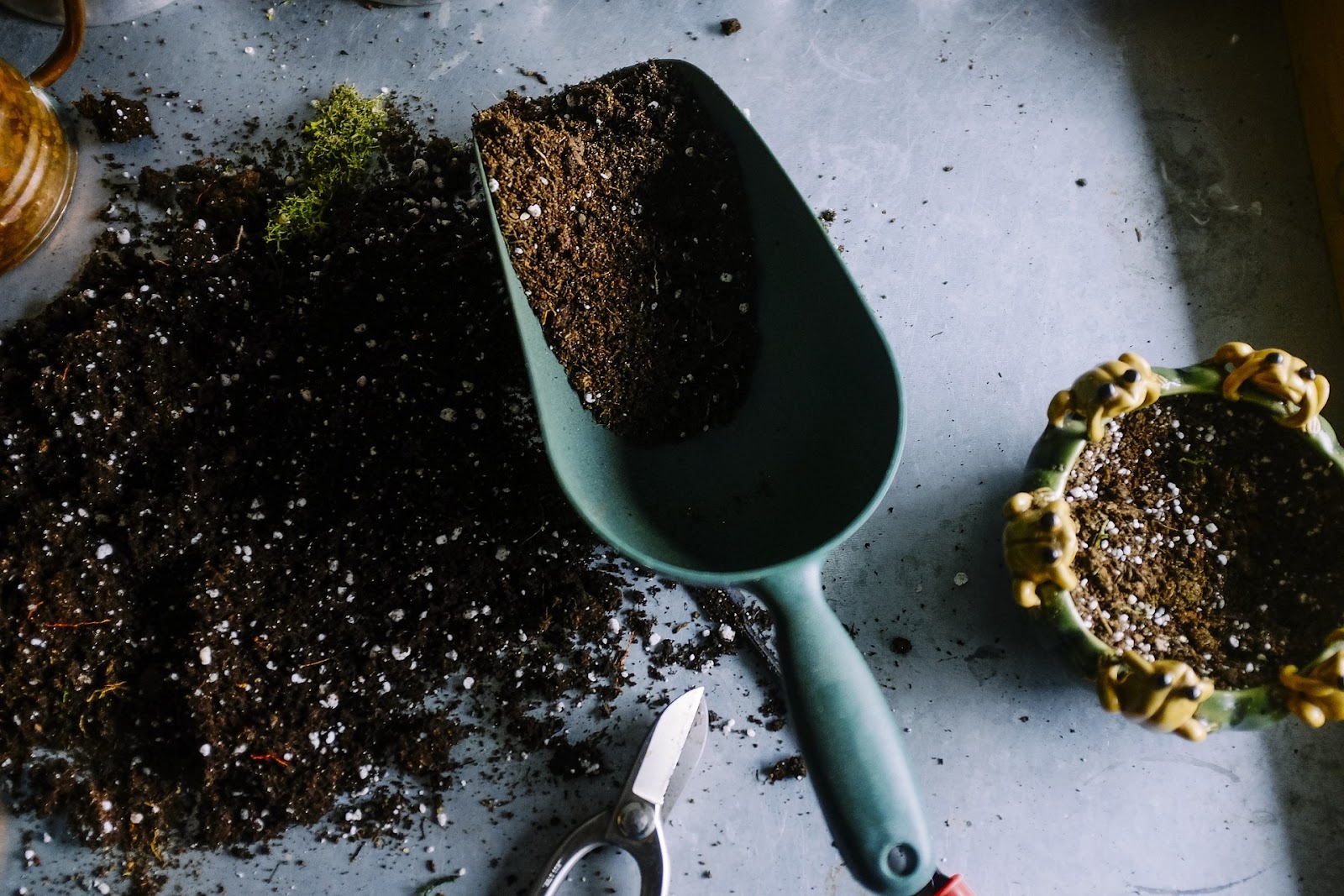
Loosen the soil around the edges of the pot, and carefully remove your plant without doing too much damage to the roots. You will likely see a lot of ants fleeing the pot, so it’s best to do this outside and not in your home.
Lay the plant down and let the ants run off. Then, carefully loosen the soil from the roots. You’ll need to get off all the existing soil and replace the pot with new soil. If you’ll be using the same pot, make sure you clean it out to remove any remaining insect eggs.
Also rinse off the roots of your plant to remove insect eggs. Then put the plant in a new container with fresh soil. It’s a good idea to put the plant in a new location until you are sure the ant infestation is over in your home. Leave the ant baits in place until you know your home is ant-free.
Put preventive measures in place
Once you’ve gotten rid of existing infestations, it’s a good idea to put measures in place to protect your plant from future infestations. One easy method is to keep your potted plants on saucers with a bit of essential oil in them. Citrus, peppermint, and cinnamon oils naturally repel ants.
If you need to repot because of pests, we’ve got plenty of potting soil and containers at Indoor Cultivator.
Watch the Full Guide
Frequently Asked Questions
Why are there ants in my houseplant?
Ants are attracted to the moist soil and may be farming aphids or mealybugs on the plant (ants 'herd' these pests for their honeydew secretions). They may also be nesting in the soil if it stays consistently damp. The presence of ants often indicates a secondary pest problem.
How do I get rid of ants in my potted plants?
Submerge the entire pot in a bucket of water for 15-20 minutes to drive ants out of the soil. Let it drain completely, then treat the soil surface with diatomaceous earth. Address any aphid or mealybug infestation that may be attracting them. Cinnamon sprinkled on the soil surface also deters ants.
Frequently Asked Questions
Why are there ants in my houseplant?
Ants are usually attracted to honeydew produced by aphids, mealybugs, or scale insects on your plant. They may also nest in the soil if it stays consistently moist. The ants themselves rarely harm the plant; they are a symptom of another pest problem or overly wet soil conditions.
How do I get rid of ants in houseplants?
First, check for aphids or mealybugs (the likely root cause). Treat any pest infestation with neem oil or insecticidal soap. For ants in the soil, submerge the pot in water for 15-20 minutes to drive them out, then let the soil dry more between waterings. Diatomaceous earth sprinkled on the soil surface also deters ants.