
Growing plants with rockwool is like cooking a new food. You don’t have to follow a recipe, but you’ll most likely get better results if you do.
Of course, many people think they don’t need to do preliminary research or follow instructions when using a new growing medium. After all, you just need to put the plants in there and watch them grow, right?
Not exactly. Each growing medium works a bit differently. Rockwool can be amazingly effective...if you know the right way to use it.
To help you out, I’ve gathered these rookie mistakes to avoid when growing with rockwool.
You throw it away
Rockwool is made to last for many years. If you throw it away after growing a plant in it, it’s going to sit in the landfill for a long, long time. That doesn’t mean you shouldn’t use rockwool, but if you do, you should clean it and reuse it.
Bonus: you’ll also save money because you won’t have to buy more rockwool every season.
It’s best to grow a different plant in rockwool the next go around. You can sterilize it with diluted hydrogen peroxide or bleach and then rinsing before starting a new plant.
Some of the smaller rockwool cubes may break down and not be the best for reusing. If that’s the case, they can be broken up and used in compost or outdoor plant mulch.
You don’t wear a mask and gloves
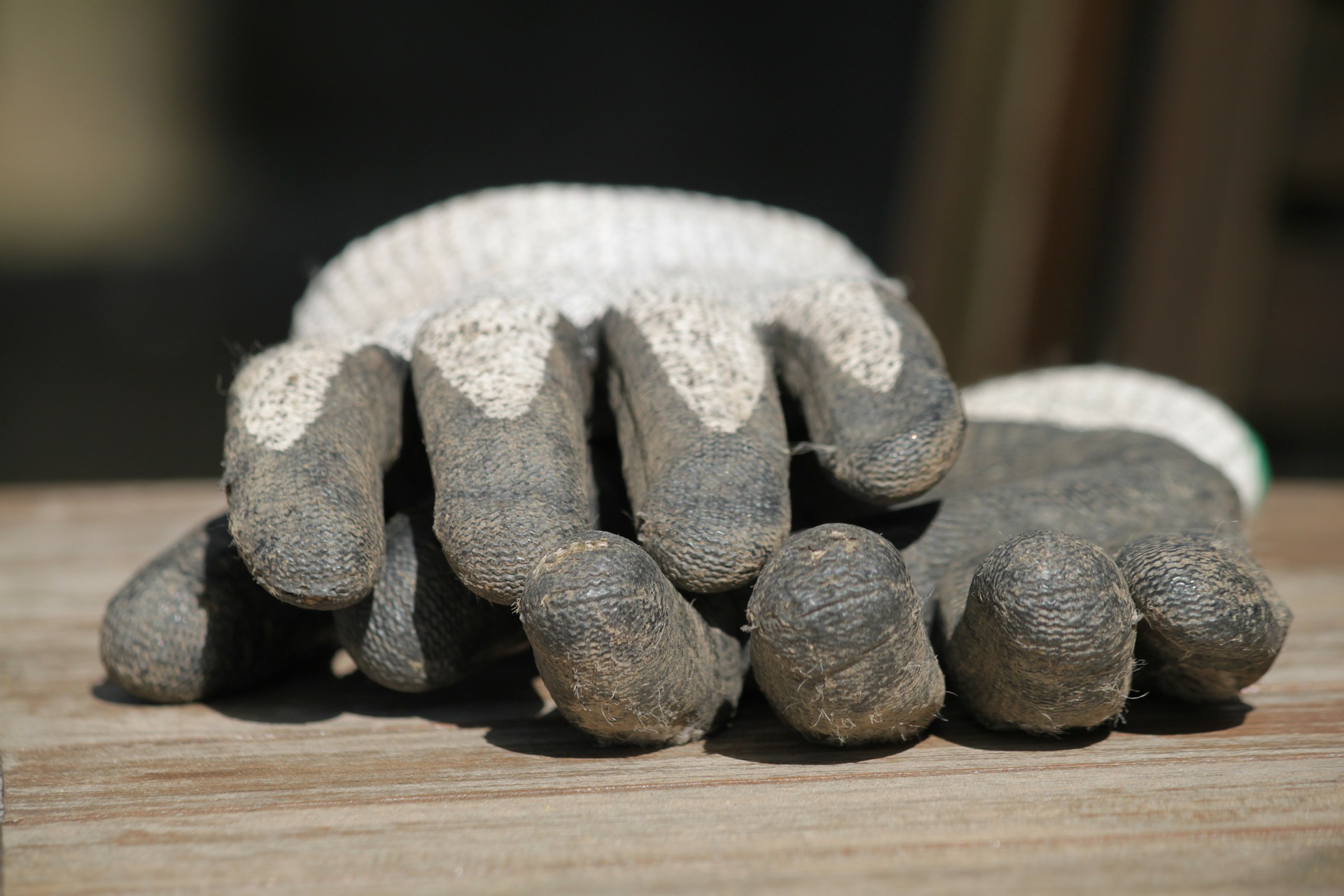
Rockwool lets off a lot of dust and fibers. That stuff is bits of rockwool getting into the air. You really don’t want to breathe in a lot of it or get it into your mouth or eyes. You can easily protect your health by wearing a mask and gloves.
You don’t adjust pH
Rockwool has a higher pH level than some other growing media, and because of that, you’ll want to treat it to correct pH levels before you establish plants.
You use it right out of the package
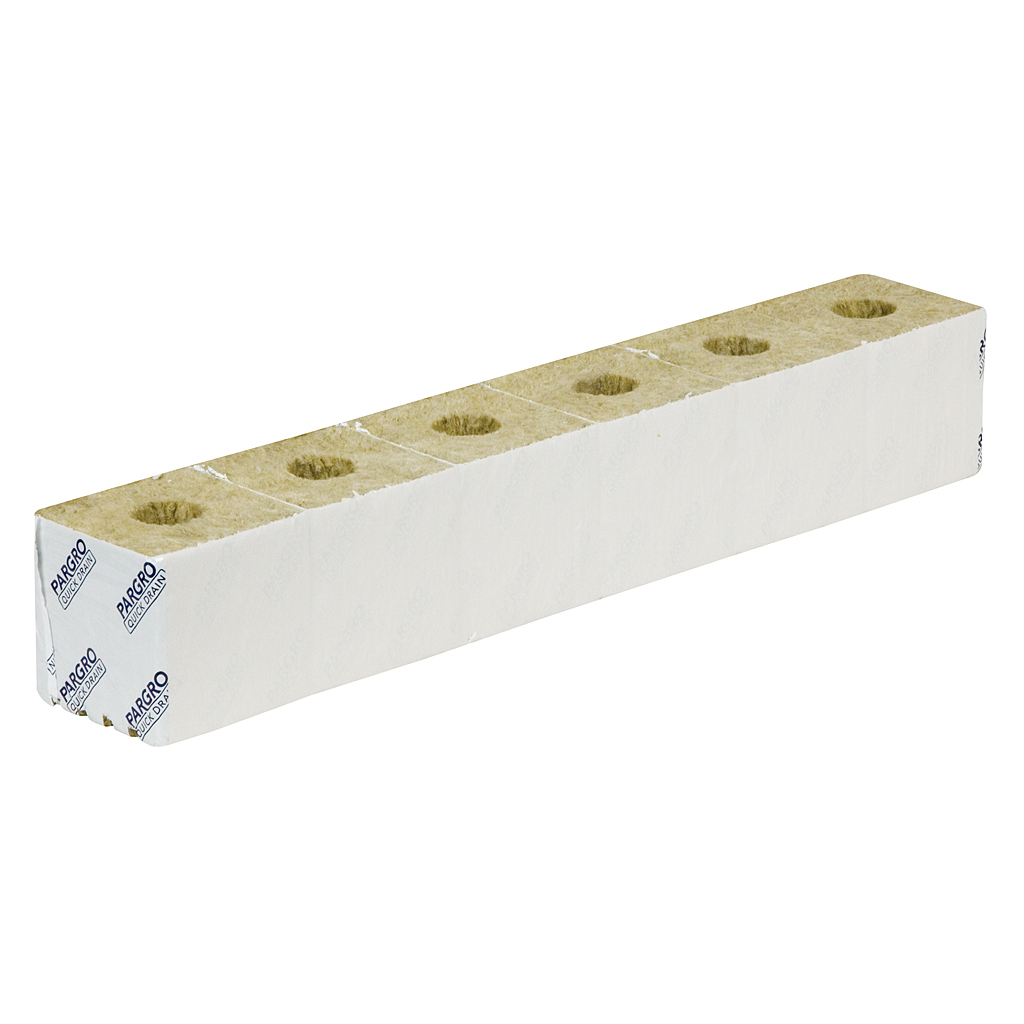
In addition to adjusting pH, you’ll need to soak rockwool until no more air bubbles rise from it before growing anything in it. It’s completely dry in the package. Rockwool holds moisture extremely well, which is why it’s an excellent growing medium, but if you don’t soak it, it’s going to suck all the moisture away from your plants.
The good news is you can do this step at the same time as adjusting pH. Just add the pH solution to the soaking water.
You neglect to add fertilizer
Unlike soil, rockwool does not come with any nutrients in it. That means you’ll need to add a nutrient solution to the water you irrigate with. Fortunately, rockwool holds nutrients well, keeping them close to the roots.
To sum it up, rockwool takes a bit of prep work, but in return you get a growing medium that retains water and nutrients at the roots, helping you to keep more of what your plant needs where it needs it. Talk to one of our Indoor Cultivator staff members to find out what tools you need to maintain proper pH and nutrient levels.
Frequently Asked Questions
What is rockwool in gardening?
Rockwool (stone wool) is a hydroponic growing medium made from spun basite rock fibers. It retains moisture while providing excellent aeration to roots. It is commonly used for seed starting, cloning, and as a primary growing medium in hydroponic systems.
Do you need to soak rockwool before using it?
Yes. Rockwool has a naturally high pH (around 7.0-8.0) that must be lowered before use. Soak it in pH-adjusted water (pH 5.5) for at least 1 hour, ideally overnight. Never squeeze rockwool to wring it out; let it drain naturally. Proper preparation is essential for successful seed germination and root growth.
Frequently Asked Questions
How do you prepare rockwool for hydroponics?
Soak rockwool in pH-adjusted water (5.5-6.0) for at least 30 minutes before use. Rockwool is naturally alkaline (pH 7-8), which can shock seedlings if not pre-soaked. Never squeeze rockwool; press it gently to remove excess water. Proper preparation prevents most common rockwool growing problems.
Is rockwool safe for plants?
Yes, when properly prepared. Rockwool is an inert, sterile growing medium widely used in commercial and hobby hydroponics. It provides excellent oxygen retention and drainage. The main concerns are its high initial pH (easily corrected by pre-soaking) and that it is not biodegradable, so dispose of it responsibly.