
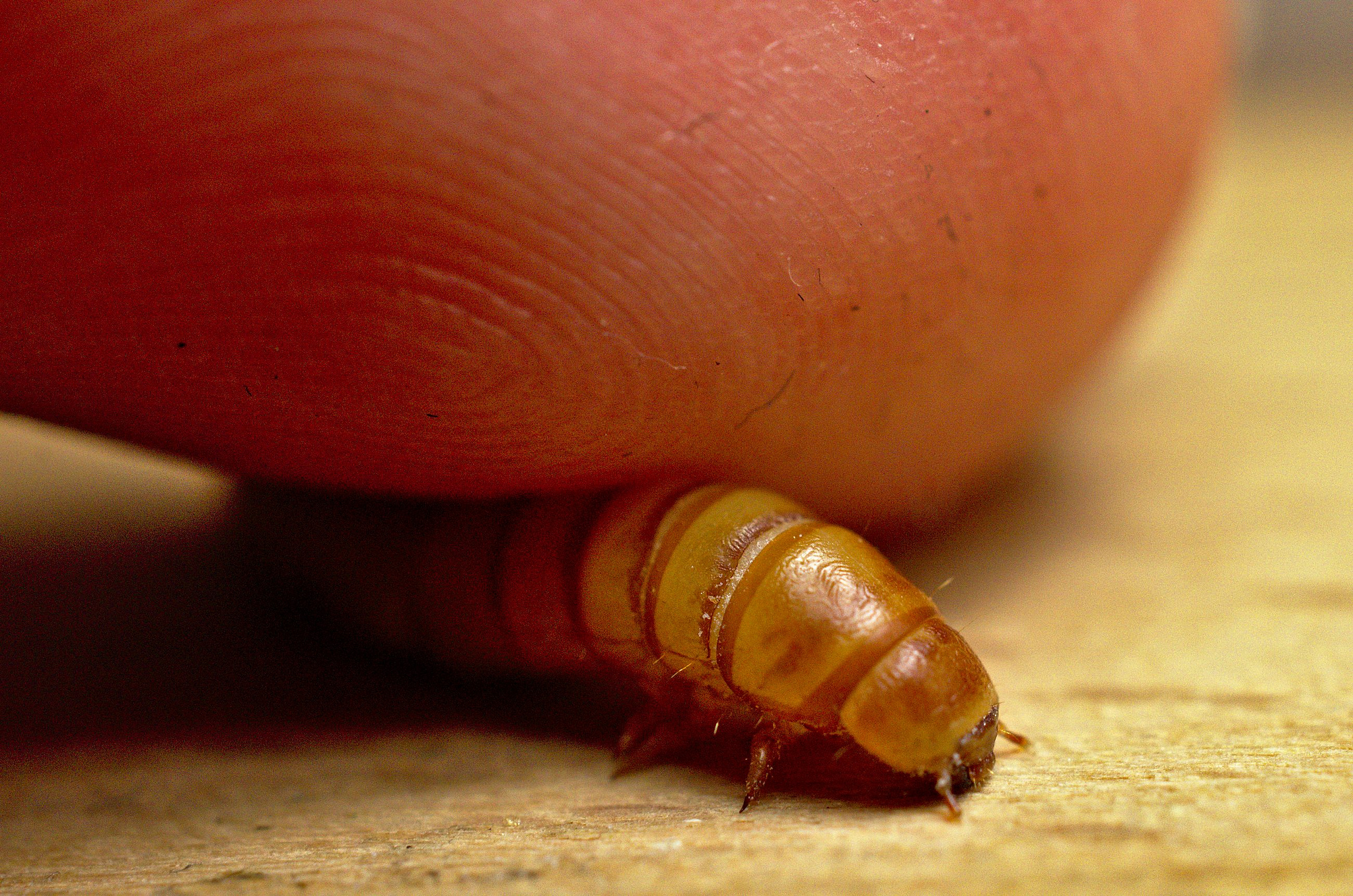
Let’s start with the basics. Why would you want to raise mealworms? Well, if you own exotic pets, creepy crawlies like mealworms become pretty commonplace sights in your home.
Most lizard owners simply buy mealworms and other worms and insects from exotic pet stores, and we definitely carry them at the Tye-Dyed Iguana. But if you want to keep your own supply of fresh mealworms on hand for your reptile, then you can follow these easy steps for raising them in your home.
And yes, the tips also include ways to reduce odors and keep your mealworms out of sight when you have people over who may not be as enthusiastic about your tiny farm as you are.
There are basically three steps to raising mealworms--setting up an area, feeding them, and keeping their habitat clean. Check out this information on properly keeping mealworms at home.
Setting up a mealworm farm
You are now in the business of mealworm agriculture. Rest assured, it’s one of the simplest farms you can run. The first step is to have multiple containers for mealworms of various sizes.
WARNING: Mealworms will eat each other.
That’s why you really should put large and small mealworms in separate habitats. Plastic containers with about two or three inches of substrate work great, and you can use cardboard egg cartons inside the beetle container for the pupa. This creates a separate level for them.
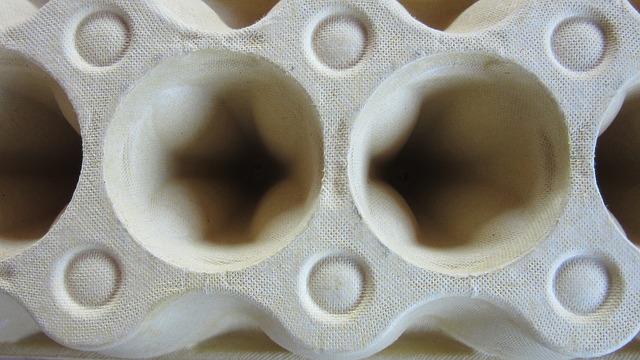
As pupa turn into beetles, they will simply crawl out of the egg carton and into the substrate below.
Pupa and beetles should be kept separate from fully mature mealworms, and newly hatched larvae should be separated from individuals of all other stages. You will, of course, need to go through your containers regularly and rotate specimens to different containers as they mature.
At the beetle stage, mealworms lay eggs in the substrate. The easiest way to separate the new larvae is to move the beetles and pupa to a new container after eggs are laid. This happens every few weeks.
When to feed mealworms
In general, mealworms need to be fed every few days. Feeding them is not a huge time investment, and you don’t really need anything special. Every few days, provide them with some wet food, which can be pieces of any fresh fruit or vegetable.
Do not leave uneaten food after a few days. Doing so may cause mold and odors, and if your mealworm farm grows mold, you have to remove all the food and substrate and thoroughly clean the container.
Your mealworms will also need dry food, which doubles as their substrate. Finely ground whole grains and seeds work well for this. Refill as needed, about once every week or two.
Keeping the farm clean
Mealworms tend to be fairly odor-free, but if you don’t do maintenance cleaning, the substrate can get pretty gross. Just scoop out waste, dead specimens, and molted skins as you find them, and don’t forget to throw out old food before it gets stinky and moldy.
Here’s a final tip. The stage at which you feed these creatures to your lizard is when they are in the mealworm stage. That means not all of your farm specimens will grow to the pupa and beetle stages. Come watch how we sort and feed mealworms at The Tye-Dyed Iguana.
Frequently Asked Questions
Is raising mealworms at home hard?
No. Mealworms are one of the easiest feeder insects to raise. Keep them in a plastic bin with oat bran or wheat bran bedding, feed vegetable scraps for moisture, and maintain room temperature. They are quiet, odorless, and don't escape. A single bin can produce a continuous supply for one to several reptiles.
Do mealworm colonies smell?
A properly maintained mealworm colony has minimal odor. Remove uneaten vegetable scraps before they mold, keep the bedding dry, and clean the bin periodically. The bran bedding absorbs moisture and contains most odor. Compared to cricket colonies, mealworms are virtually odorless.
Frequently Asked Questions
Is it hard to raise mealworms at home?
No. Mealworm farming is one of the easiest feeder insect projects. You need a smooth-sided container, oat bran or wheat bran for bedding, and fresh vegetables for moisture. Keep them at room temperature for slow growth or 75-80°F for faster development. They are quiet, odorless when maintained properly, and cannot escape smooth containers.
How do you keep mealworm colonies from smelling?
Replace the bran bedding every 2-4 weeks, remove dead beetles and pupae promptly, and avoid excess moisture (which causes mold and odor). Keep the colony in a well-ventilated area. A properly maintained mealworm colony has minimal odor, unlike cricket colonies which are notoriously smelly.