
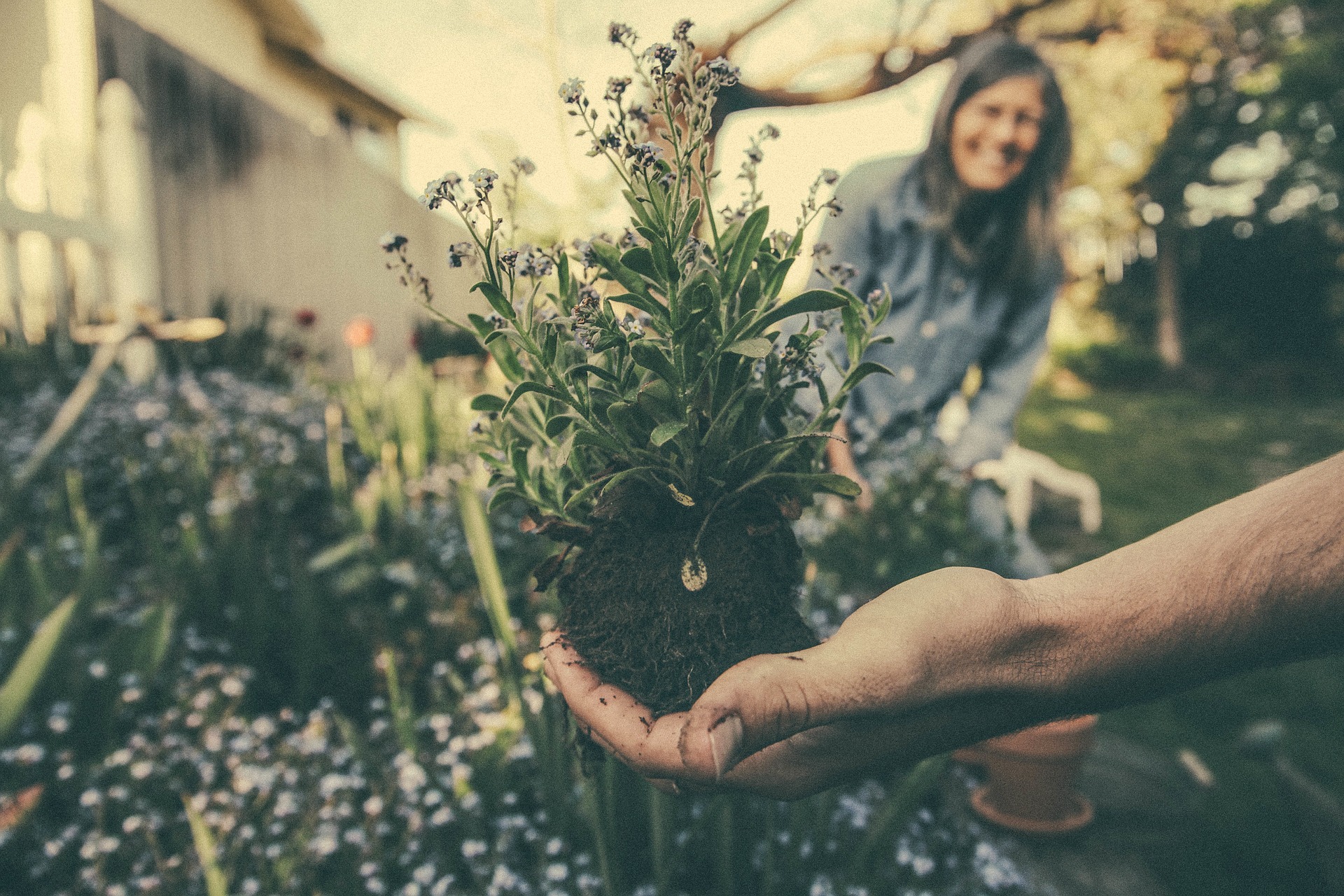
Are you already thinking about what you’d like to grow next spring? Fall is on the way, and many outdoor gardens are winding down. Maybe you got a rough start to this year’s garden, and you’d like to do a better job next time around. Or maybe you just want to try something different from what you grew this year.
If you’ve ever wished you were one of those people who started out the year with a garden that is already ready to plant and starts off looking fabulous, then you’ve come to the right place to learn. You’re about to discover some easy strategies that allow you to get a headstart on next spring’s garden, right now.
The good news is that these tips can be used by anybody, even gardening beginners. But intermediate gardeners will likely learn a few tricks too. Let’s get started with how to prep next year’s garden.
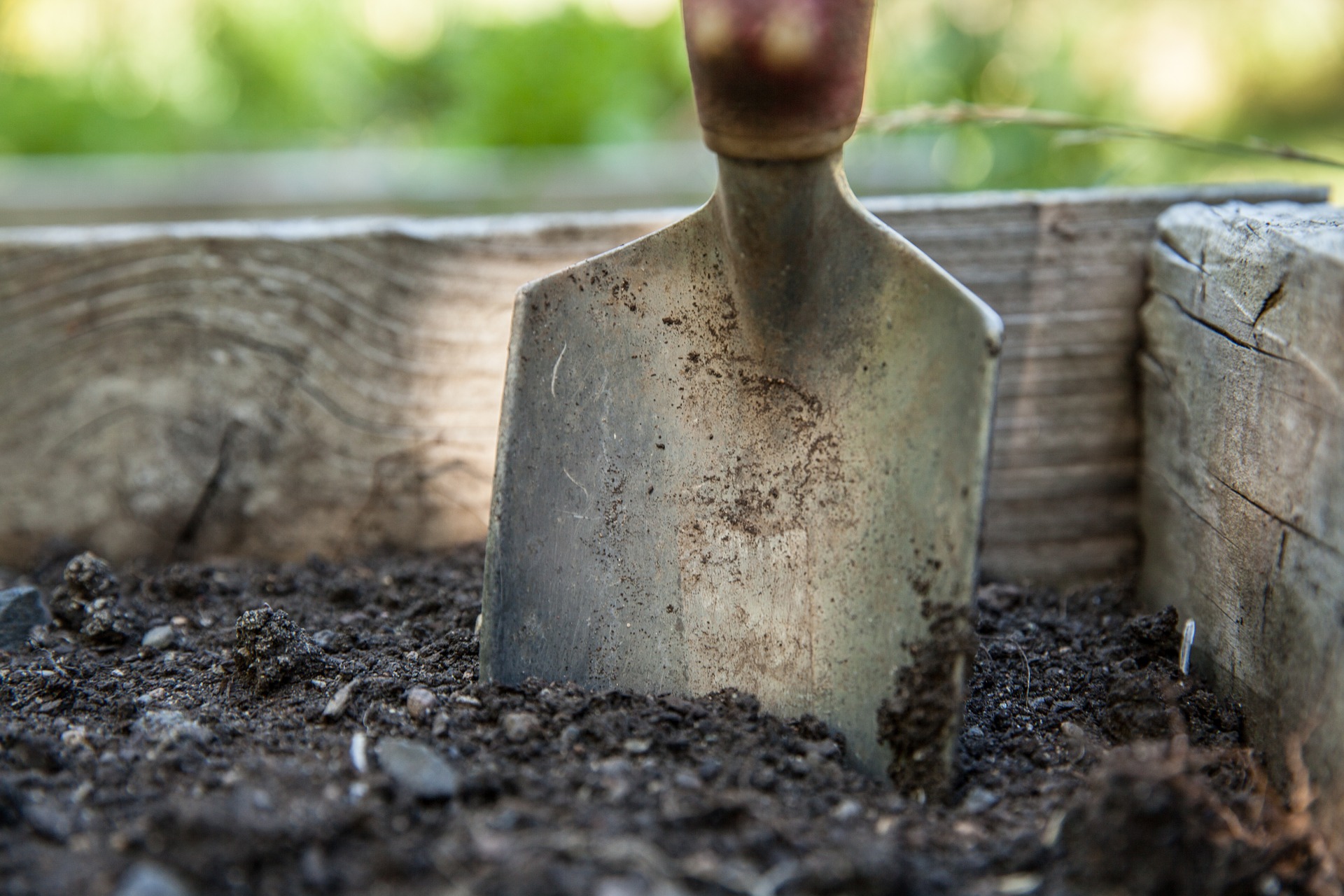
Step 1: Prepare your grow bed
Many people who are new to gardening don’t even realize that they need to do this step in advance. Technically, it’s optional, but it will make planting much easier.
What we’re talking about here is a no-till garden bed. With this method, you don’t have to dig up grass and weeds at all.
So, the first thing you need to do is select the area you’re going to plant in the spring. Measure off the exact space. And clear the area of any objects that will be in the way, like large rocks or debris. If grass and weeds are especially high, mow the area before proceeding.

Step 2: Stop weeds without pulling them up or using chemicals
After your area is marked off and cleared, grab a few supplies:
- Cardboard
- Compost
- Mulch
Cover the entire garden area with sheets of cardboard, overlapping the edges a bit to make sure no areas are left exposed. Then, wet the cardboard thoroughly to help it start to break down. The cardboard is there to block sunlight and kill off grass and weeds.
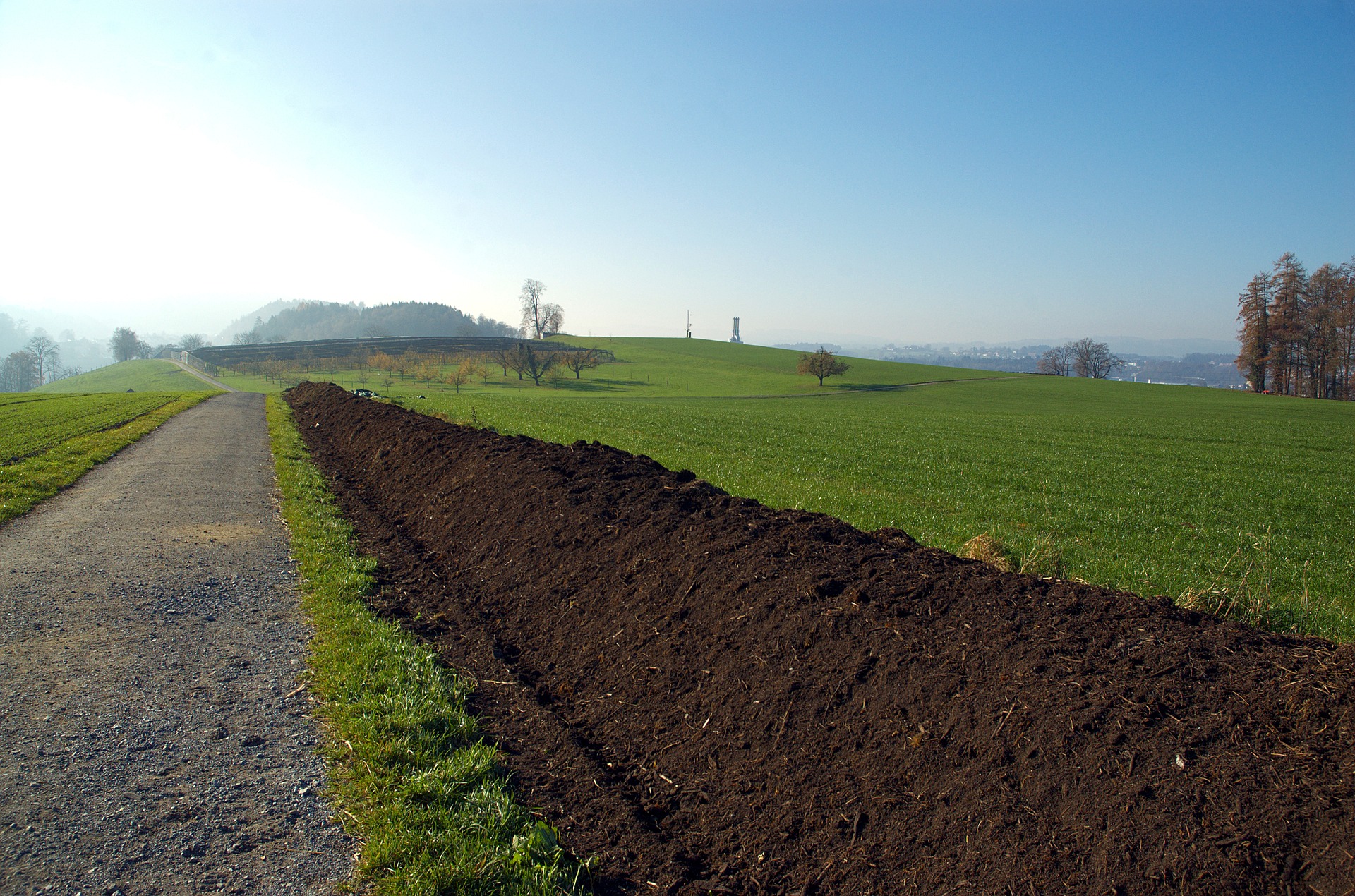
Step 3: Feed your soil
Top the cardboard with several inches of quality compost. You can use your own compost if you have some. This gives your soil a nutritional headstart. You can also add any additional nutrients your soil needs at this time.
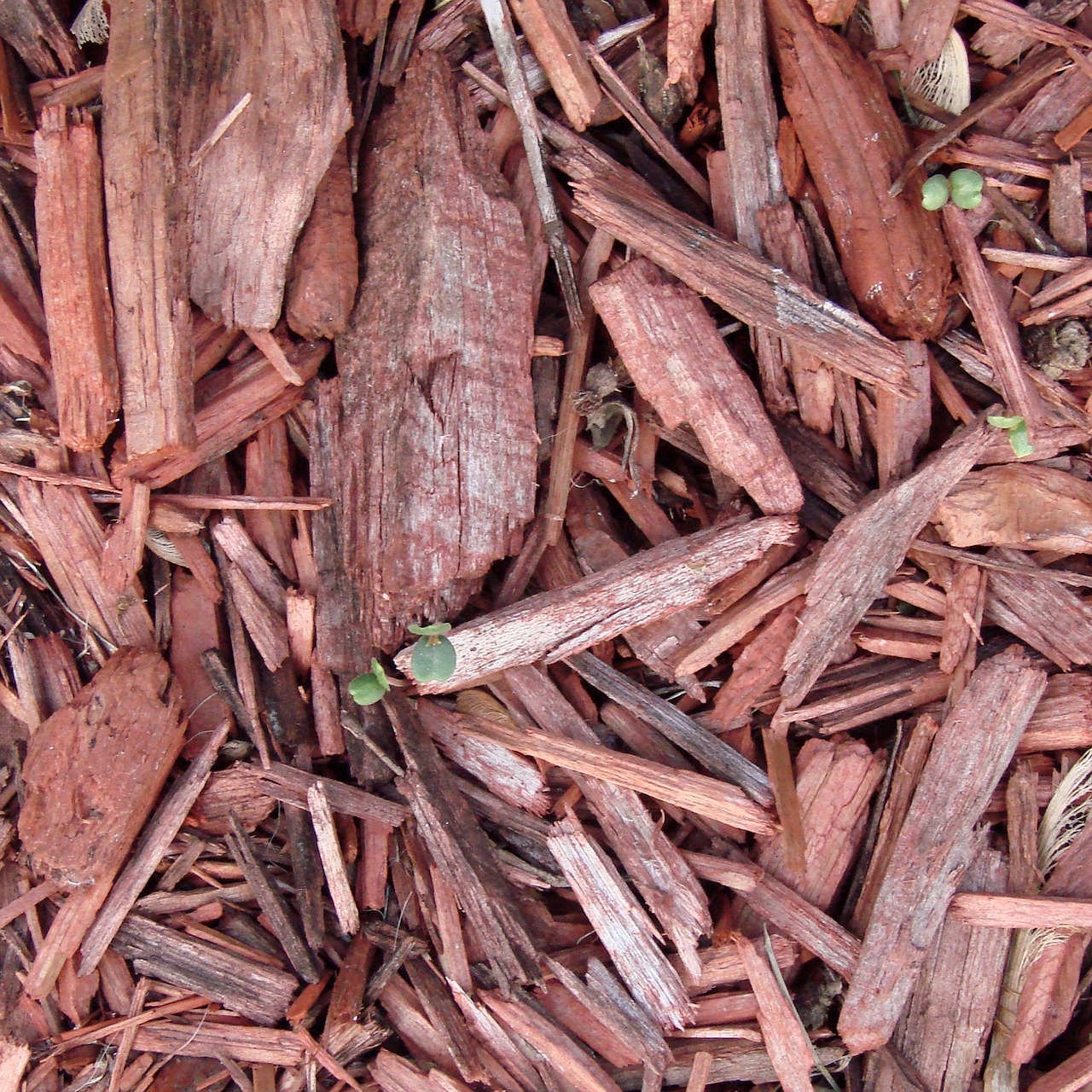
Step 4: Protect your hard work
Okay, so let’s be honest, this was a lot easier than tilling and mixing in new soil right before planting. Also, the nutrients have more time to enrich the soil with this method. Basically, you just let the area sit over the winter now, and when you are ready to plant next season, the soil will be rich and weed-free.
There’s one final step though, to protect the work you put in. Cover the garden bed with mulch. The mulch prevents rain and wind from washing the soil away. As the mulch breaks down, just replace it with a fresh layer.
Read through our other articles to learn more about composting and soil nutrients.
Frequently Asked Questions
What should I do to prepare my garden for next year?
Clear spent plants and debris, add compost or aged manure to enrich the soil, plant a cover crop (like clover or winter rye) if you have outdoor beds, clean and store tools, and plan next year's layout. Fall prep makes spring planting significantly easier and produces healthier soil.
Should I add compost to my garden in the fall?
Yes. Fall is the ideal time to add compost. It has all winter to break down and integrate into the soil, enriching it with nutrients and improving structure before spring planting. Spread 2-4 inches of compost over garden beds and let it work its way in naturally over the winter months.
Frequently Asked Questions
How do I prepare my garden for next season?
Clean up dead plant material, amend the soil with compost or worm castings, take inventory of seeds and supplies, plan what to grow next season, and start seeds early indoors if your region requires it. For indoor gardens, clean and sanitize containers and equipment during the off-season.
When should I start planning next year's garden?
Start planning in late fall or early winter. This gives you time to research new varieties, order seeds before popular ones sell out, and prepare your growing space. Many serious indoor and outdoor gardeners maintain a year-round planning cycle, noting what worked and what didn't from the current season.