
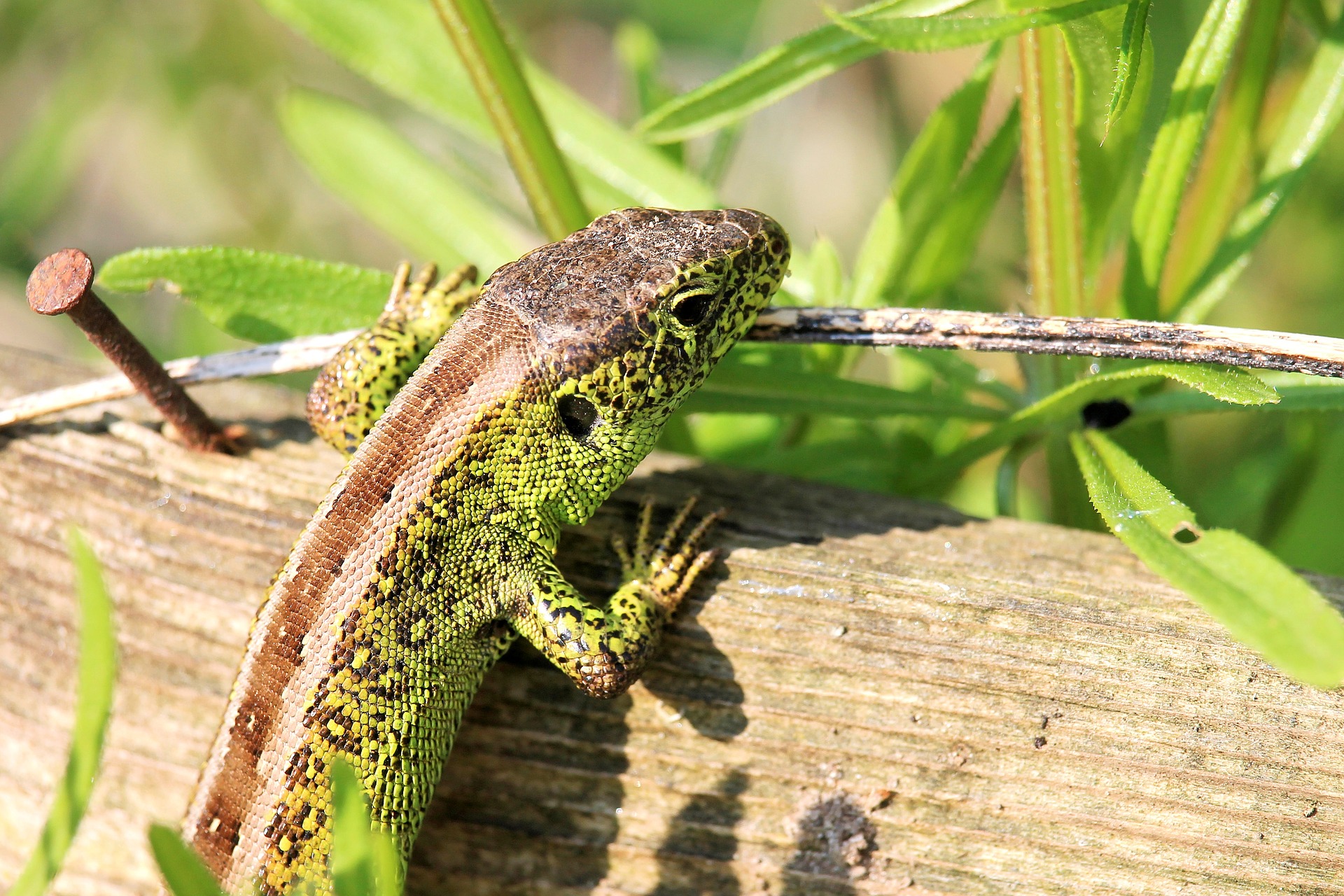
Did you know that you probably already have a host of reptiles and amphibians in your yard? Yep. You just have to know where to look for them. You can even make your backyard a popular spot for herping (finding amphibians and reptiles) if you take a few simple steps to make it more inviting to the creatures living in your area.
Get started with your backdoor herp watching with the information here.
Finding wild reptiles and amphibians
The first thing you should know is that finding or attracting reptiles or amphibians is not about offering them food. In fact, you absolutely should not give food to wild animals. They need to be left to their natural food finding habits (and feeding wildlife is also illegal in most areas).
The next thing to know is what kind of area to look for. You’ll have the most luck searching overgrown areas with lots of vegetation or hiding spots. Anywhere with brush piles, logs, or rocks is a prime location for herping.
Setting up an inviting backyard for wildlife
If you’ve visited our shop at The Tye-Dyed Iguana, then you may have noticed that different amphibians and reptiles prefer different types of environments. That’s the case with wild herps too, of course. Because different animals prefer different conditions, you’ll have the best luck if you select a particular type of species you want to encourage to visit. Then, create the right environment for that particular type of reptile or amphibian.
Snakes and lizards
To attract snakes and lizards, you want to create an area with ground cover that allows them to move in their usual way without being seen. That means leaving the grass unmowed in the backyard (but you probably don’t want it to become a grass jungle!). You just don’t want the grass close-cropped.
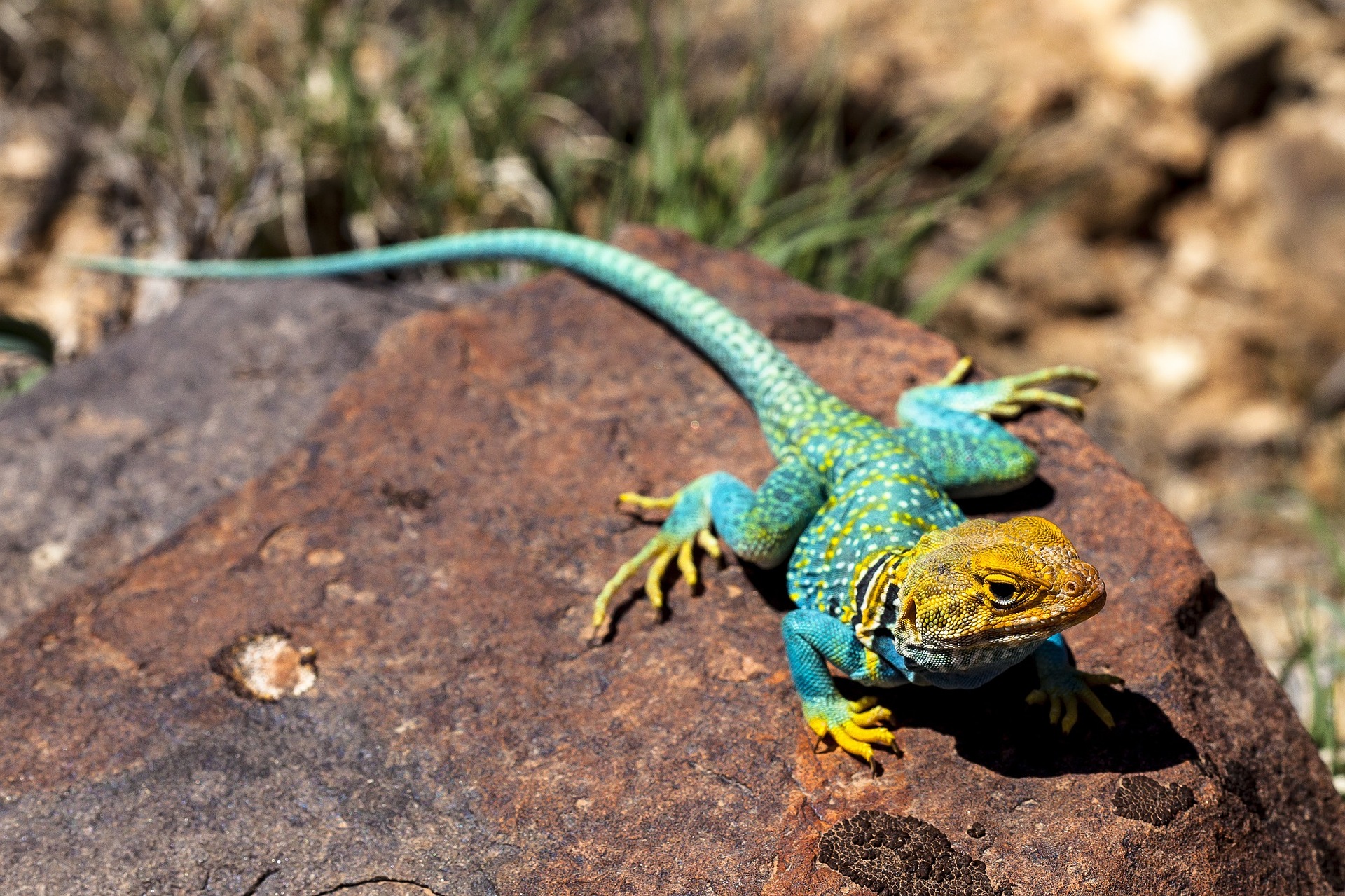
Unlike the grass, you’ll want to trim back overhead growth that shades the yard. Snakes and lizards prefer to have warm, sunny areas for basking. You’ll also want to make sure you provide plenty of scattered debris, like logs, rocks, and wood piles.
Structures and debris that provide more constant temperatures during cold seasons are also essential for keeping snakes and lizards around. Such places include rock walls, concrete foundations, or structures made from stone or brick.
Amphibians
Frogs, toads, salamanders, and other amphibians are fun to find. It’s no surprise that what you need in order to attract amphibians is somewhere wet. It doesn’t have to be a huge body of water, but having a pond or just an area in your yard that collects water during the wet part of the year can draw more of these animals to your yard, even if the water dries up during other parts of the year.
You may also have luck finding amphibians under moist areas like piles or debris that collect moisture beneath them. Manmade debris will also draw in amphibians if it provides moist cover.
Turtles
Turtles are another group of herps that you may be able to attract to your yard. The tips for pond building will help with bringing turtles around. They require a body of water. You may find turtles in your yard even if you don’t have water, if there is a suitable pond, stream, or river within about a two mile radius of your yard.
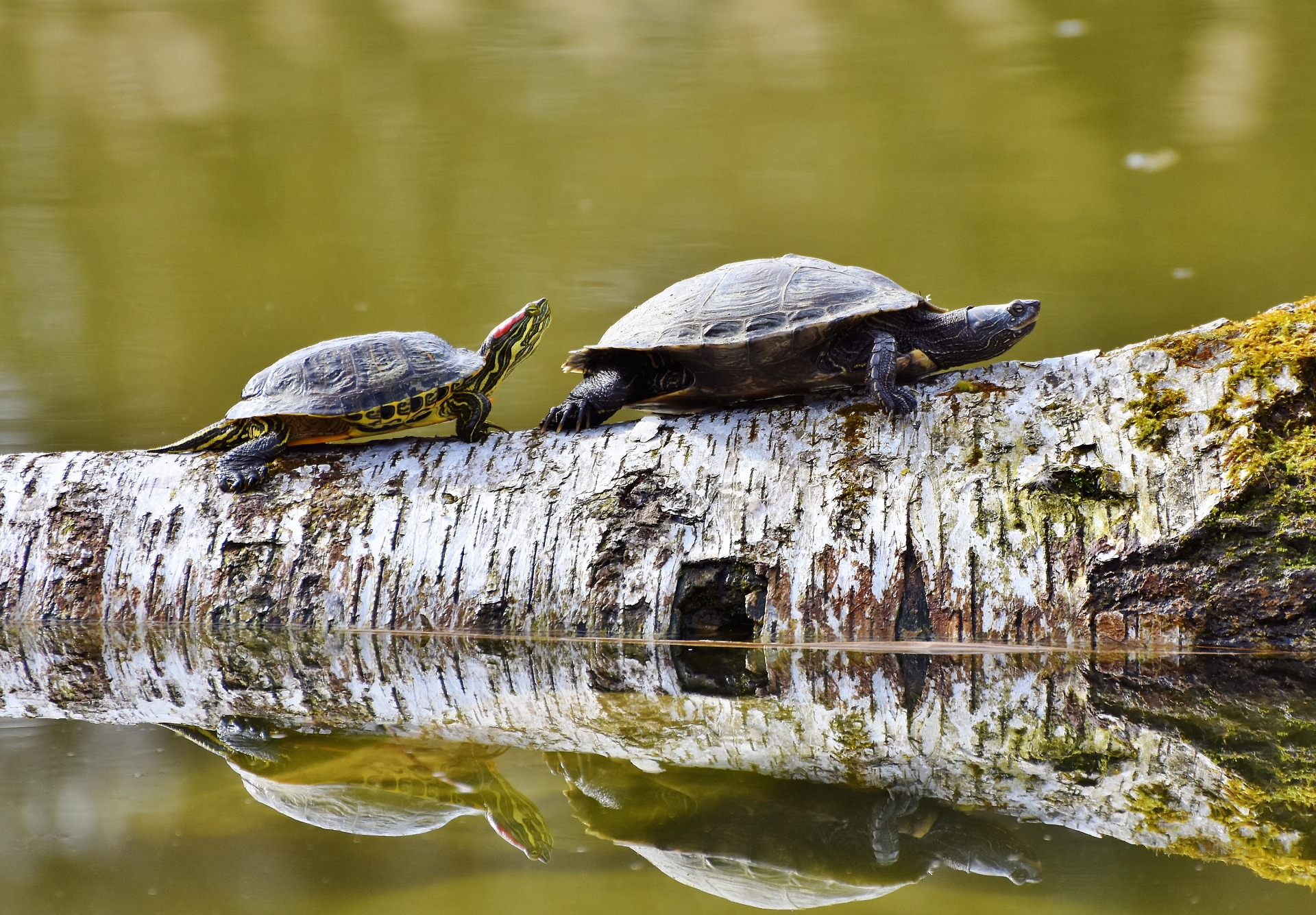
Summer is the best time to find reptiles and amphibians outside, so go out and look for wild herps when the weather is warm.
Frequently Asked Questions
How do I attract reptiles and amphibians to my backyard?
Create habitat features: rock piles for lizards and snakes, a small pond for frogs and toads, log piles for salamanders, and native plantings for cover. Avoid pesticides and herbicides. Leave leaf litter in garden beds. A wildlife-friendly yard naturally attracts local herps.
Are backyard snakes dangerous?
Most backyard snakes in the US are harmless and beneficial, eating rodents, insects, and slugs. Learn to identify the few venomous species in your area (copperheads, rattlesnakes, cottonmouths, coral snakes) and leave all snakes alone. They are valuable pest controllers.
Frequently Asked Questions
How can I attract reptiles and amphibians to my yard?
Create habitat features: a small pond or water feature for frogs, rock piles and log stacks for hiding spots, native plant gardens for insect prey, and leave leaf litter in some areas. Avoid pesticides and herbicides, which kill the insects that herps depend on for food.
What reptiles and amphibians might live in my backyard?
Depending on your region, you might find garden snakes, fence lizards, skinks, tree frogs, toads, and salamanders. Providing habitat features and avoiding chemicals dramatically increases wildlife diversity. Even urban yards can host toads and small lizards if given suitable microhabitats.