

Image from Mad Max: Fury Road copyright Warner Bros. Entertainment Inc.
So you think you can just “start a garden” if an emergency scenario arises?
Oh ho ho. Think again.
If you have no experience, gardening isn’t that easy. It actually does take some planning and know-how.
So if you’re worried about a future apocalypse, you should start gardening today, and get some experience under your belt.
Here are our valuable tips for getting through the specific challenges of post-apocalyptic gardening.
Make a habit of collecting rainwater
If infrastructure crumbles and you don’t have running water, you can’t just keep drawing water from the tap to keep a garden hydrated.
Where are you going to find enough water during periods of drought or low rainfall?
Modern farmers run extensive irrigation systems precisely because Mother Nature does not always provide enough water for efficient gardening or farming.
So, just as you would keep food storage to make sure you have enough to eat between harvests, you need to keep a rainwater collection system to have water for the garden between rains.
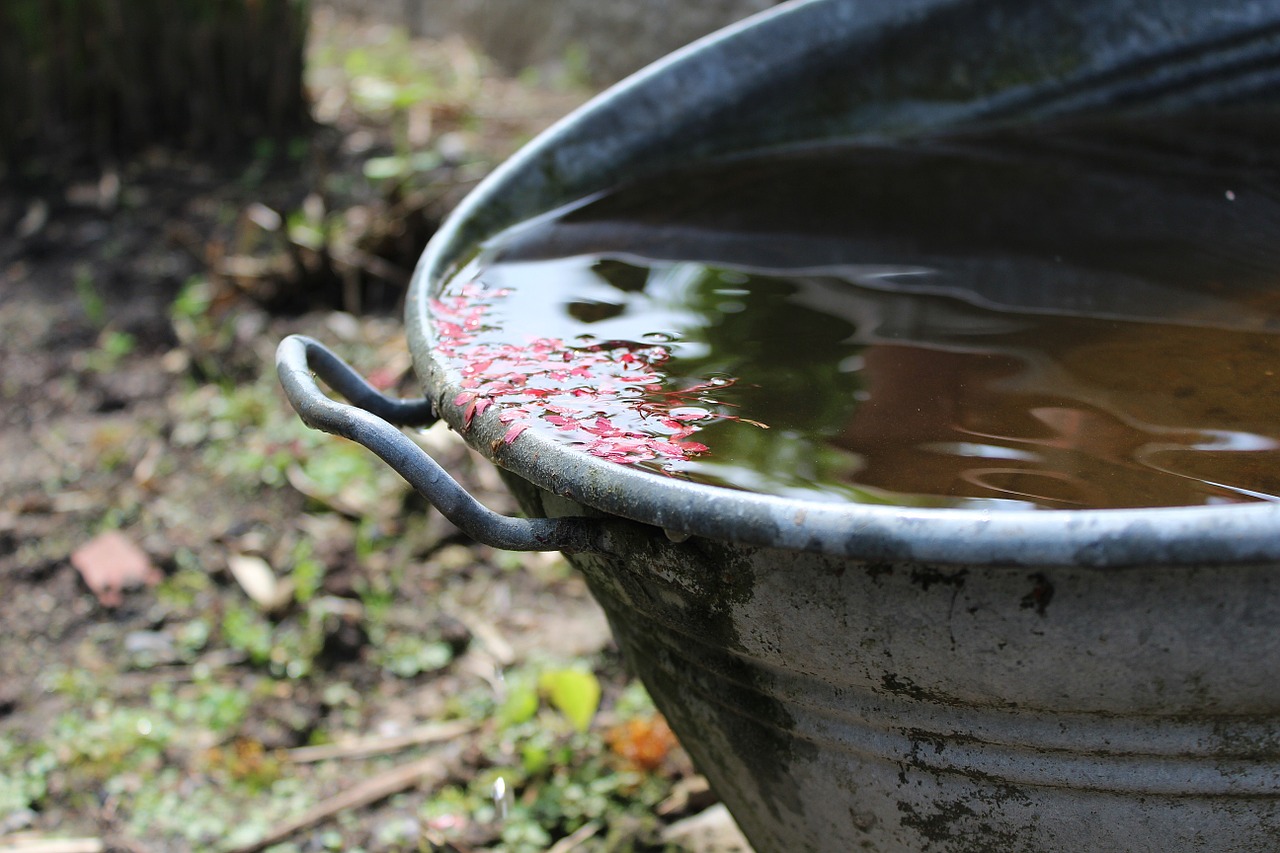
You can of course collect water from ground surface sources like streams and ditches if those are available. These sources aren’t always safest for drinking, but unless they’ve been heavily polluted, they’re typically fine for the garden.
You’ll want to keep your rainwater barrel out of direct sunlight so it doesn’t grow algae.
Why you should resume gardening ASAP
In an emergency scenario, you never really know what’s going to happen or when food will run out.
The thing is, just because you have a stockpile doesn’t mean you shouldn’t be gardening. What happens if the stockpile runs out in winter?
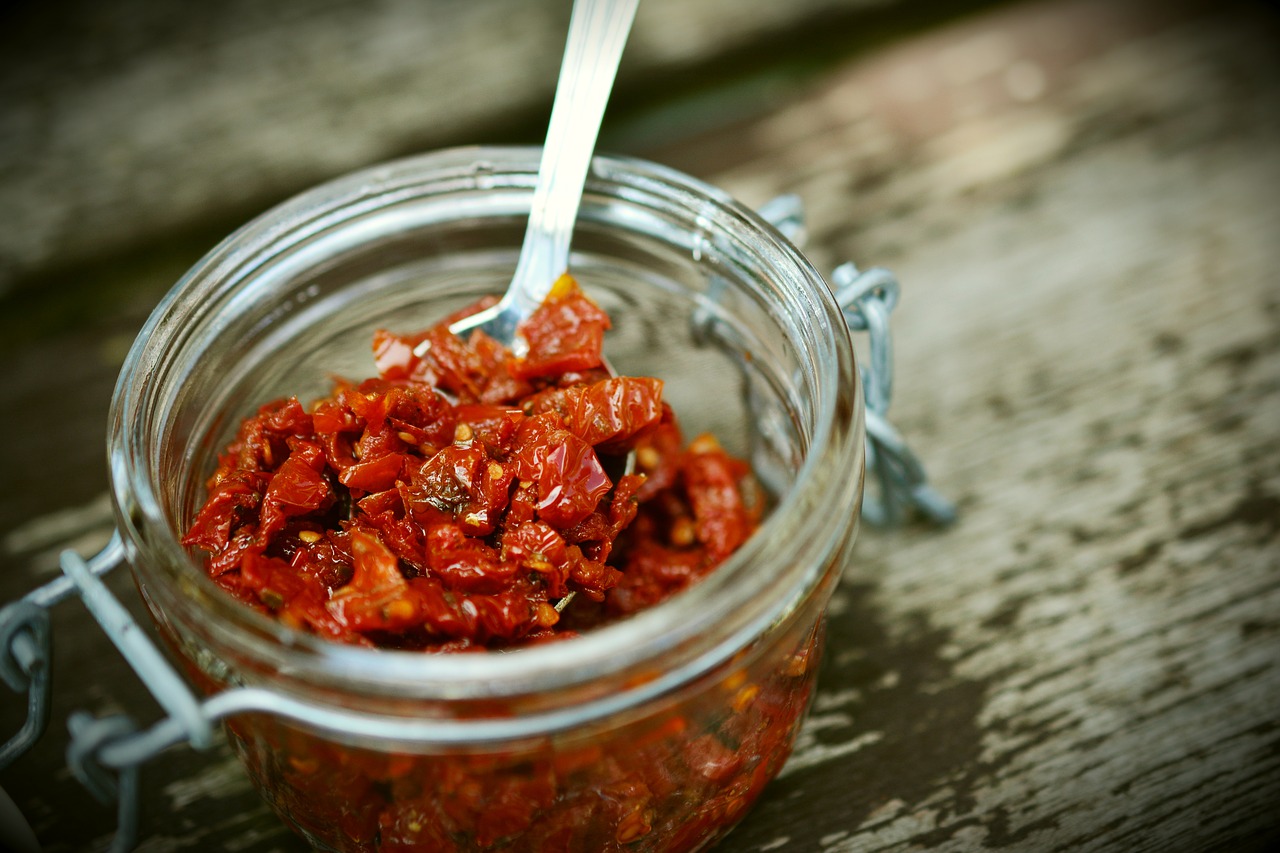
Instead, eat your fresh vegetables and fruits while they’re fresh. Preserve what you can (drying is an easy way). And save those non-perishables for when you can’t grow.
Also, crops fail.
You don’t want that to happen when you absolutely depend on a successful harvest. Start gardening early so that failures happen when you can still correct for them or start over.
Make a keyhole garden
Okay. You really want to know how to garden efficiently in less than optimal circumstances?
It’s all about design.
And the best design for growing through drought, poor soil, and urgent need for food is a keyhole garden.
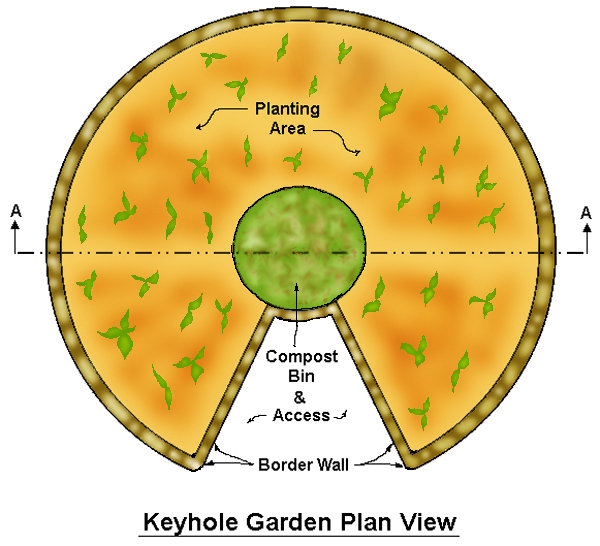
It is a circular, raised garden bed with a compost bin at the center. You compost right where you are gardening. And the beds slope slightly away from that center bin.
Food and plant waste go into the bin, as well as gray water or collected rainwater. The resulting compost tea distributes moisture and fertilizer to the garden.
The garden is contained by a border wall made of bricks, stones, or whatever you want to use, and it has a distinctive “keyhole” access point that allows you to enter the garden and fill the compost bin.
Not into the whole survival prepper thing? It’s still kind of fun to pretend. Fire up Mad Max: Fury Road, or your favorite post-apocalyptic film, and get in the mood for some self-reliance. Then visit Indoor Cultivator for your gardening supplies.
Frequently Asked Questions
What are the easiest survival crops to grow?
Potatoes, beans, squash, tomatoes, kale, and radishes are excellent survival crops. They are calorie-dense (potatoes and beans), nutrient-rich (kale), or fast-growing (radishes mature in 3-4 weeks). These crops also store well and many can be preserved through drying, canning, or root cellaring.
Can you grow enough food to survive in a small garden?
A well-planned 200 square foot garden can produce a significant portion of one person's vegetable needs. Focus on calorie-dense crops (potatoes, beans, corn) rather than low-calorie crops (lettuce, cucumbers). Succession planting and vertical growing maximize yield in limited space.
Frequently Asked Questions
What are the most important survival gardening skills?
Seed saving (so you can replant each season), composting (to maintain soil fertility without store-bought fertilizer), water collection and conservation, companion planting (to naturally control pests), and knowing which wild plants in your area are edible. These skills make you self-sufficient for food production.
What are the easiest food crops to grow in a survival situation?
Potatoes, beans, squash, tomatoes, and leafy greens (kale, Swiss chard) produce the most food for the least effort. These crops are calorie-dense, store well, and are relatively pest-resistant. Add herbs for flavor and medicinal use. Start with these staples before branching into more demanding crops.