
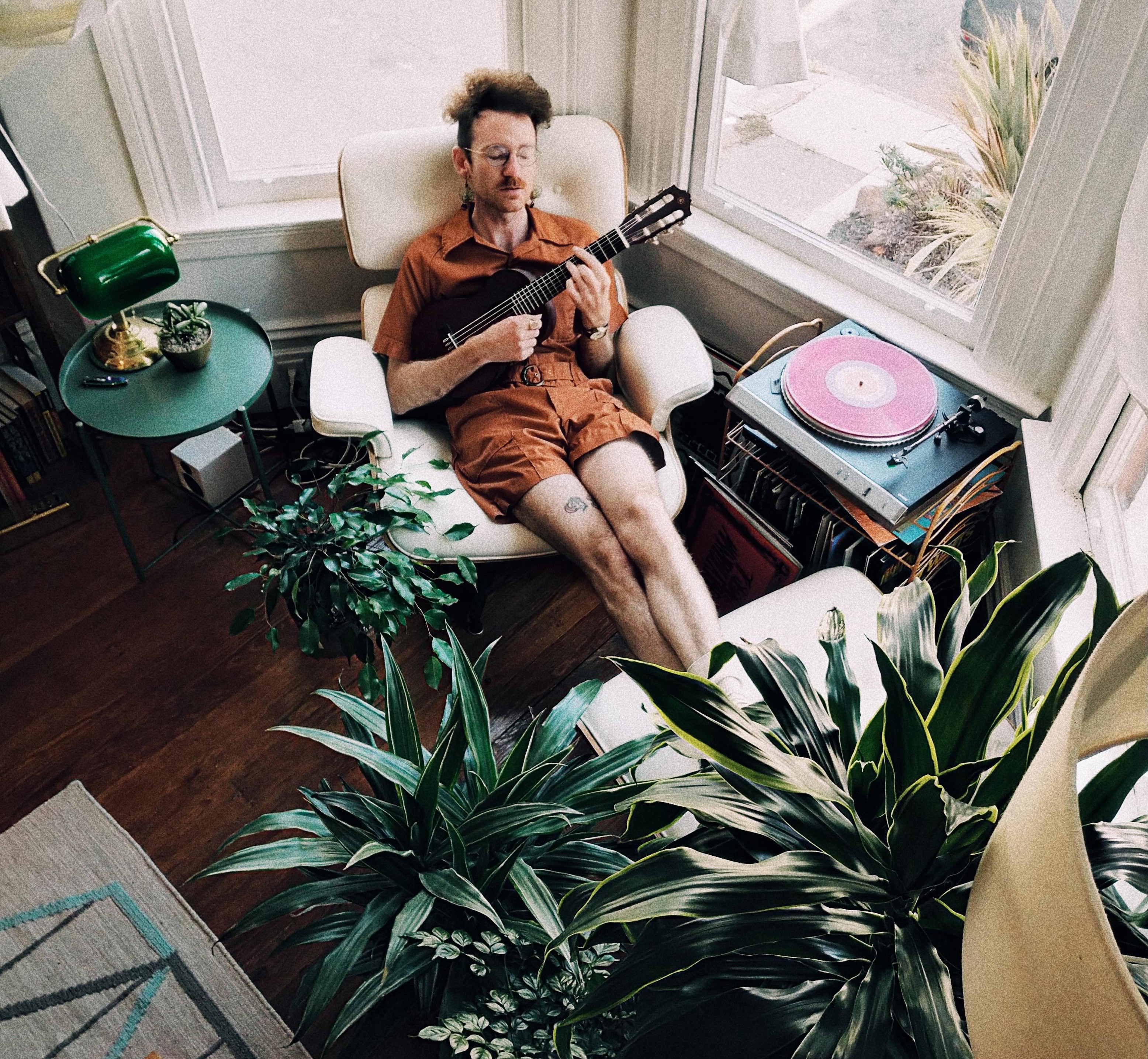
Photo courtesy of Avi Naim
Most of the time, gardening is like going to work. The more you show up, the more you succeed. But nobody wants their growing hobby to become like a job they’re chained to.
The good news is you can master your garden without it becoming the master of all your time.
We’ve rounded up three different gardening techniques that can reduce the amount of time you have to spend actively tending your garden.
Take a look and see if one of these will help you take back some time without negatively affecting your enjoyment.
Nutrient film technique hydroponics
Simple, low-cost, and good for yields. Those are the advantages of the nutrient film technique (NFT). NFT is basically a particular type of hydroponic grow system you can purchase.
And because the system that waters, feeds, and oxygenates your plants is left constantly running, your indoor garden will require very little maintenance from this method. How can the system do this without drowning your plants or over fertilizing them?
It’s pretty genius, actually.
The “film” referred to in the name is a thin film of water and nutrients that passes through the system. So your roots always have access to just a small amount of nutrient solution at a time. That means you don’t have to worry about nutrient burn or overwatering.
In-ground hydroponics
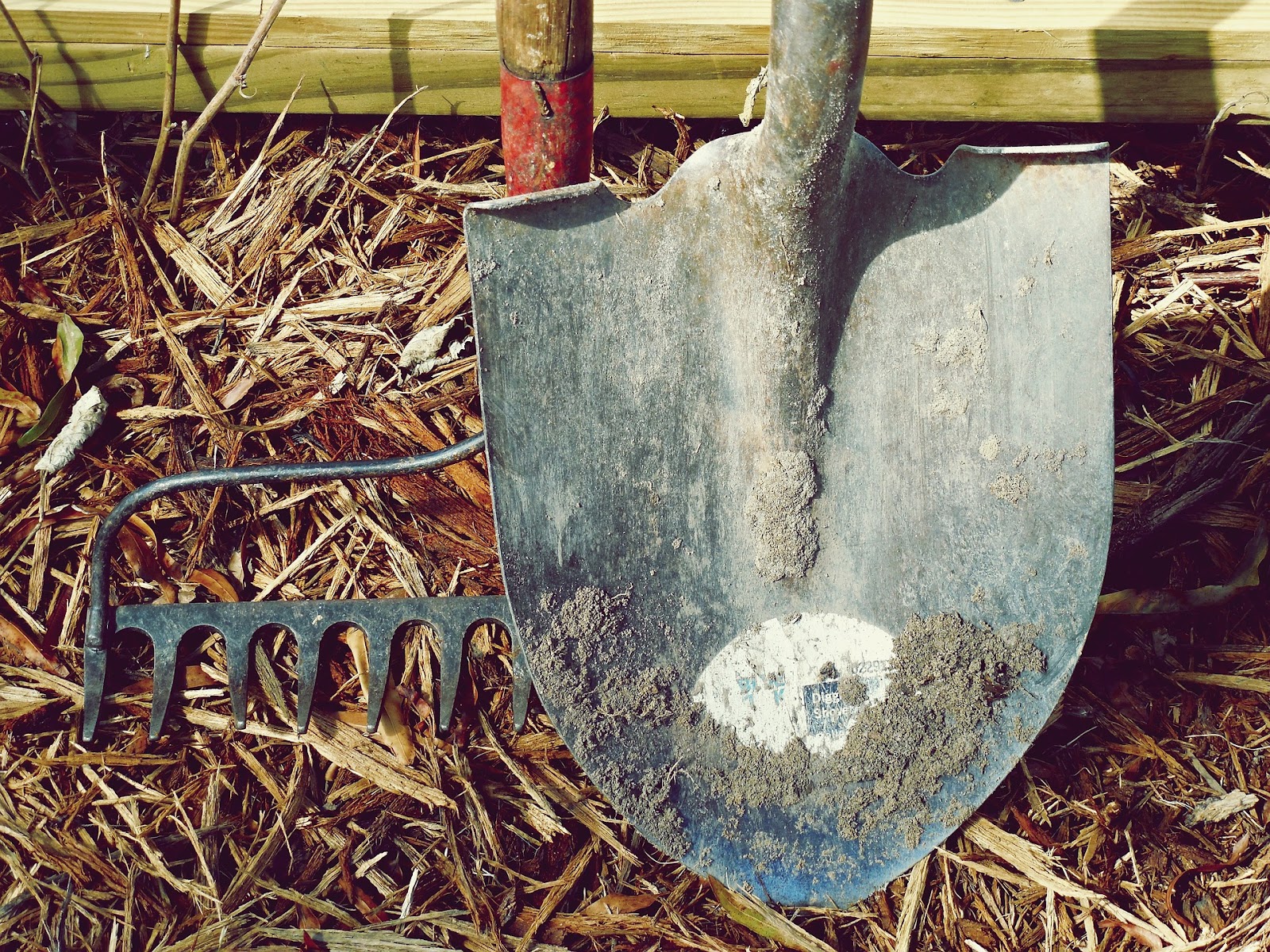
Another easy and inexpensive system is in-ground hydroponics. You actually don’t have to keep your hydroponics indoors only. With this outdoor system, you get more flexibility and space. And a bonus perk is you save money on things like keeping a grow room at a set temperature and humidity level.
You can make your own outdoor system by attaching tubes for a drip system to an in-ground reservoir. Putting the drip system on a timer allows you to keep watering times on a schedule, taking more of the tedious work off your shoulders.
If weather is a concern, you can also use this system in a greenhouse.
Tiny gardening
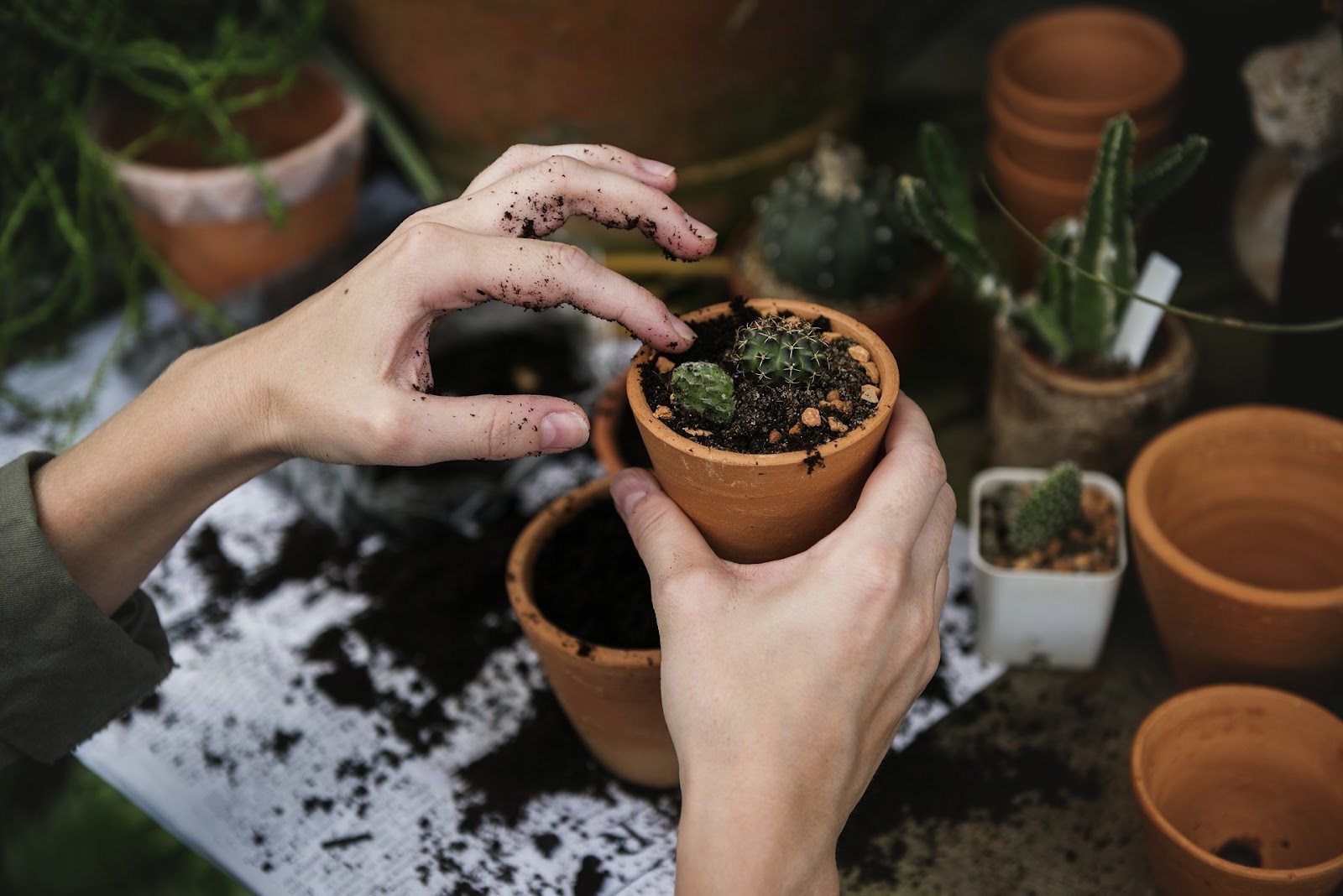
It may not sound as exciting as the other methods, but you could just...have a small garden. If you’re short on time or don’t feel the need to go crazy with your growing hobby, keep it small and manageable
It’s a lot more fun to have a smaller garden that makes you happy than to get so frazzled trying to take care of a complex system that you give up on it.
One of the easiest gardens you can start is a container garden. Just put some potting mix and a plant in a container with drainage holes, and you’re on your way. You can scale a container garden up or down to whatever size you want.
Tiny houses are a thing, so why not tiny gardens? If your relaxation time has become an extra job, downsize.
Hopefully these ideas have given you some help figuring out how to keep growing, even if you have a busy schedule. Follow Indoor Cultivator for more ideas on managing a garden without losing your mind.
Frequently Asked Questions
How do I maintain a garden with minimal effort?
Choose low-maintenance plants, mulch heavily to suppress weeds and retain moisture, use drip irrigation or self-watering pots, group plants with similar water needs together, and focus on perennials that return each year without replanting. A well-designed garden needs less ongoing work than a poorly planned one.
What are the lowest maintenance houseplants?
Snake plants, ZZ plants, pothos, and cast iron plants are nearly indestructible. They tolerate low light, infrequent watering, and general neglect. Snake plants can go 2-3 weeks between waterings. These are ideal for anyone who wants greenery without a demanding care routine.
Frequently Asked Questions
What are the lowest maintenance indoor plants?
Snake plants, pothos, ZZ plants, and cast iron plants require the least attention. They tolerate low light, infrequent watering, and general neglect. Snake plants and ZZ plants can go weeks without water. These are ideal for people who want greenery without a daily maintenance commitment.
How can I reduce plant maintenance?
Use self-watering pots, choose low-maintenance species, group plants with similar needs together, use slow-release fertilizer instead of liquid, and mulch the soil surface to retain moisture. Automated watering systems and light timers further reduce daily effort.