
Photo courtesy of FoodieFactor
Anxious for spring to arrive so you can start the vegetable garden?
You really don’t have to wait.
A hydroponic garden is the perfect place to grow perennial vegetables. You don’t have to worry about seasons, and you can have back-to-back harvests pretty much all year long.
Talk about an efficient way to keep fresh food around.
What are perennial vegetables?
Perennial vegetables are simply vegetable plants that continue to produce harvests for years after reaching maturity.
If you’re the long-term commitment kind of person, you should definitely peruse the options for vegetables that intend to stick around.
And even if you’re more of a “try new things” person, you have room in your garden to devote one small area to a perennial experiment, right?
Some perennials produce more abundant harvests with each year you nurture them.
What to plant
Here are the best picks for hydroponic perennials:
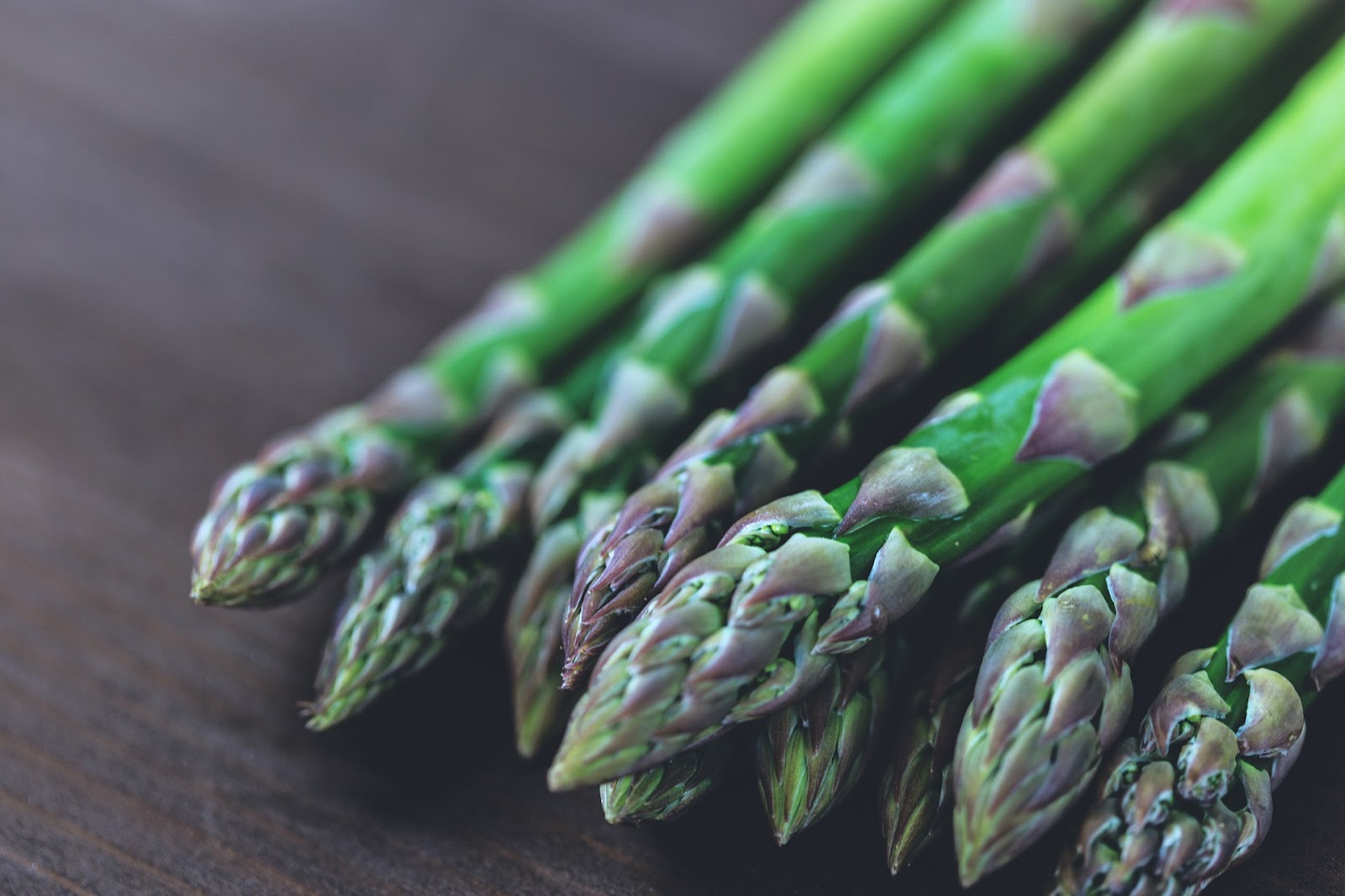
Asparagus
Okay, let’s talk about the drawbacks of asparagus right up front.
You should know that if you start an asparagus plant from a seedling, it will take 2 to 3 years before an established plant is yielding edible asparagus.
If you’re okay with that, go for it. Grilled asparagus tips are delicious.
And once your plants do reach maturity, you can look forward to those plants producing yields for up to 20 years.
Ginger and turmeric
Ginger and turmeric plants can be difficult to grow in outdoor gardens. But the controlled conditions of a hydroponic garden can make the process much easier.
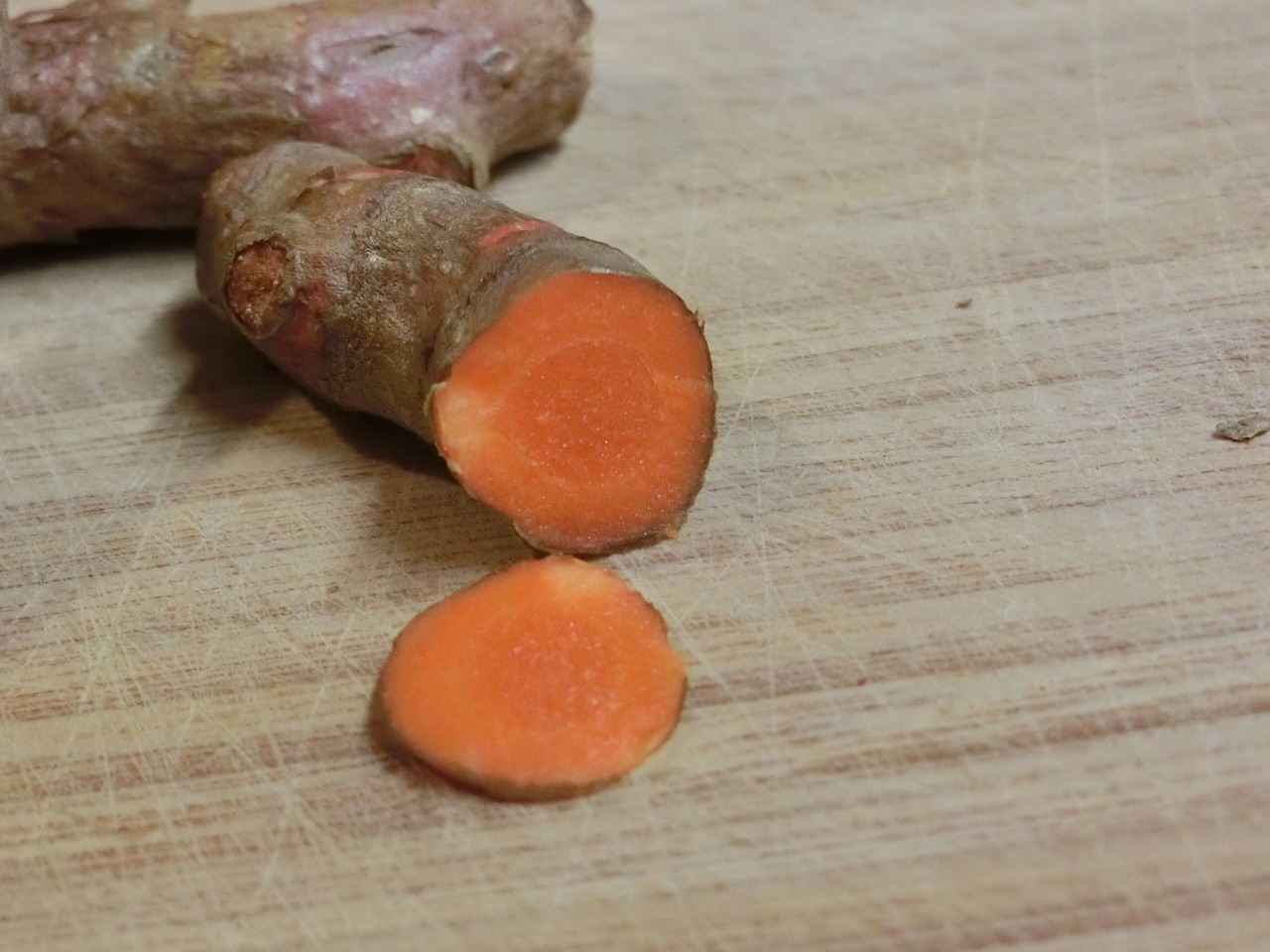
As root plants that grows from a rhizome, these will need to sprout in a warm, moist growing medium before being transplanted to your grow bed or a container garden.
Herbs
Herbs are without a doubt the easiest perennial to maintain in your hydroponic garden. And most of them require very little space.
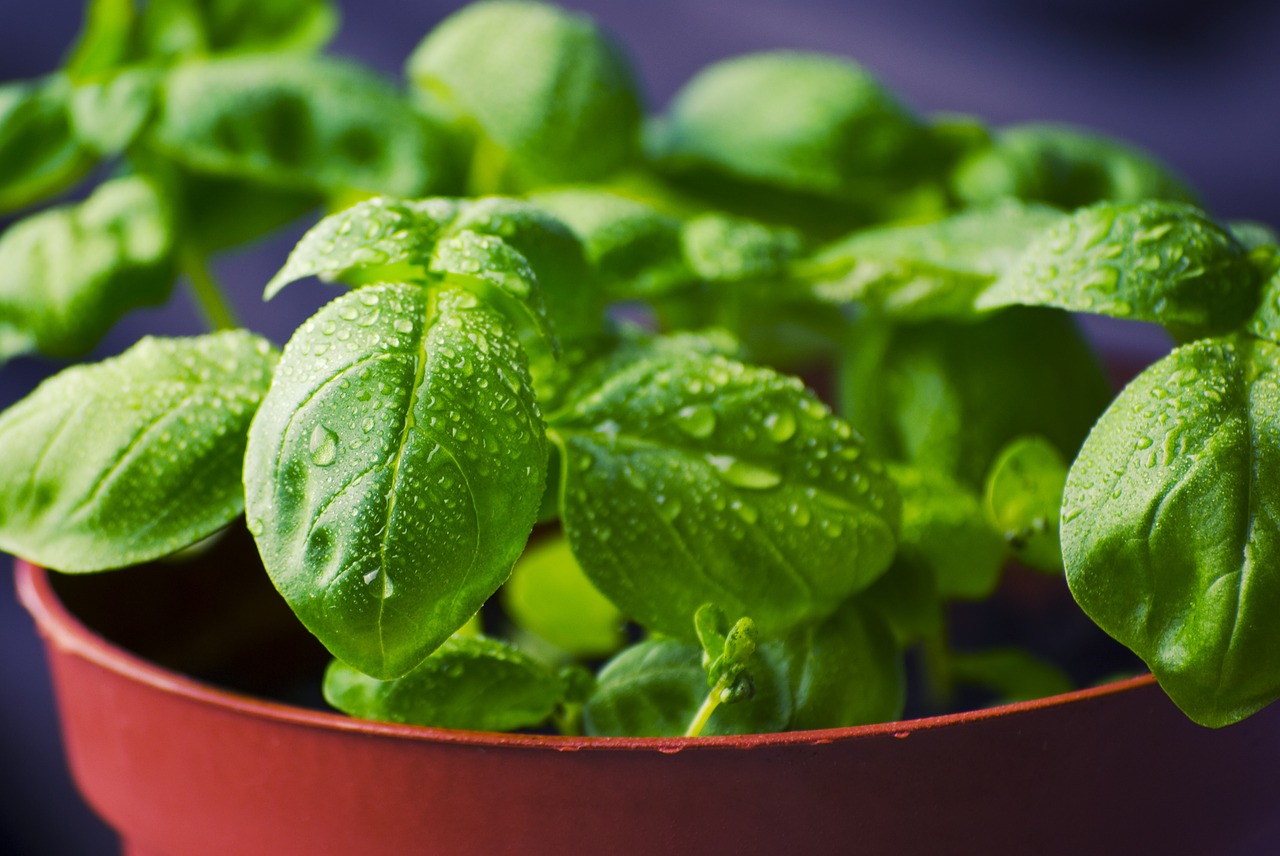
Herbs you can grow hydroponically include:
- Mint
- Oregano
- Chives
- Rosemary
- Sage
- Thyme
- Basil
Most herbs can be harvested in bits over long periods of time.
How to reduce downtime
Now, it’s important to point out that your perennials are not just going to keep producing yields. Just as if they were in an outdoor garden, they will need time off before producing again.
So how do you end up with back-to-back harvests if you still have to wait the usual amount of time for another round of results?
Easy.
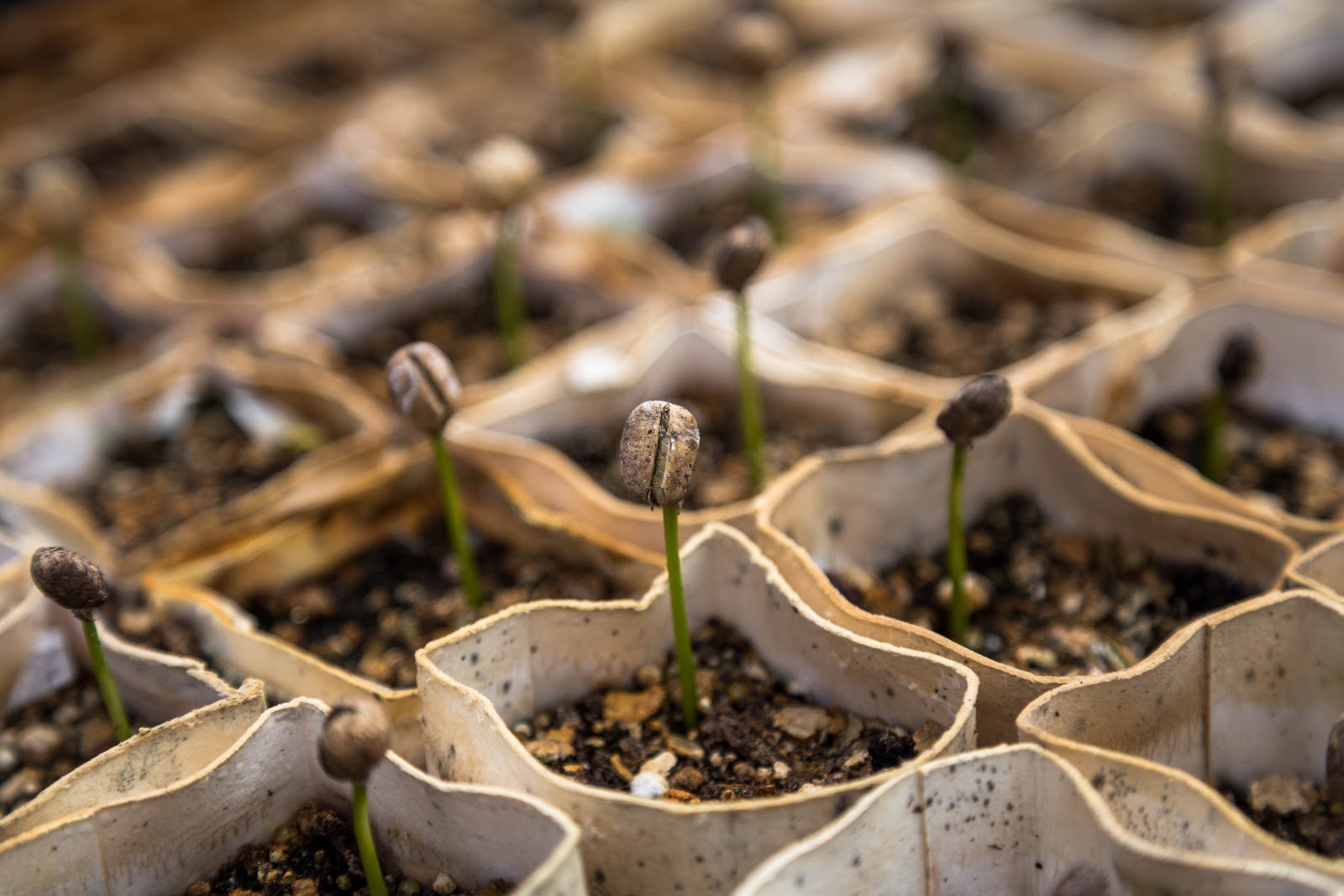
By spacing out the planting time for individual specimens, each will reach maturity at different times. Because you’re working with an indoor garden, you can space them out to have harvests literally all year long.
Practical considerations
Some hydroponic growers don’t think perennials are worth it for an indoor garden.
That’s because you have to maintain the plants during the period that they are not producing yields.
It is true that dormant perennials can mean extra work and extra expense. But for some growers, the challenge of keeping perennials going is worth it.
It doesn’t hurt to try it out and see how perennials work in your indoor garden. Let us know what perennials you’re growing on our Facebook page.
Frequently Asked Questions
What vegetables can grow year-round in hydroponics?
Lettuce, kale, Swiss chard, spinach, and many herbs produce continuously in hydroponic systems. Peppers and tomatoes can also produce for extended periods under proper lighting. The controlled environment of hydroponics eliminates seasonal limitations, allowing near-continuous harvests.
Is hydroponics better than soil for vegetables?
Hydroponics offers faster growth (up to 25% faster), higher yields, year-round production, and no soil-borne pests or diseases. However, it requires more upfront investment in equipment and ongoing electricity costs. For space-constrained indoor growers, hydroponics is often the most productive option.
Frequently Asked Questions
What vegetables can be grown year-round in hydroponics?
Lettuce, spinach, kale, Swiss chard, herbs (basil, cilantro, mint), cherry tomatoes, peppers, and cucumbers can be grown year-round indoors with proper lighting and hydroponic systems. Leafy greens are the easiest and fastest producers, often ready to harvest in 3-4 weeks.
Are hydroponic vegetables healthy?
Yes. Hydroponic vegetables can be just as nutritious as soil-grown produce, and sometimes more so because nutrient delivery is precisely controlled. They are also grown without soil-borne pesticides and diseases. The key is using a quality nutrient solution that provides all essential elements.