
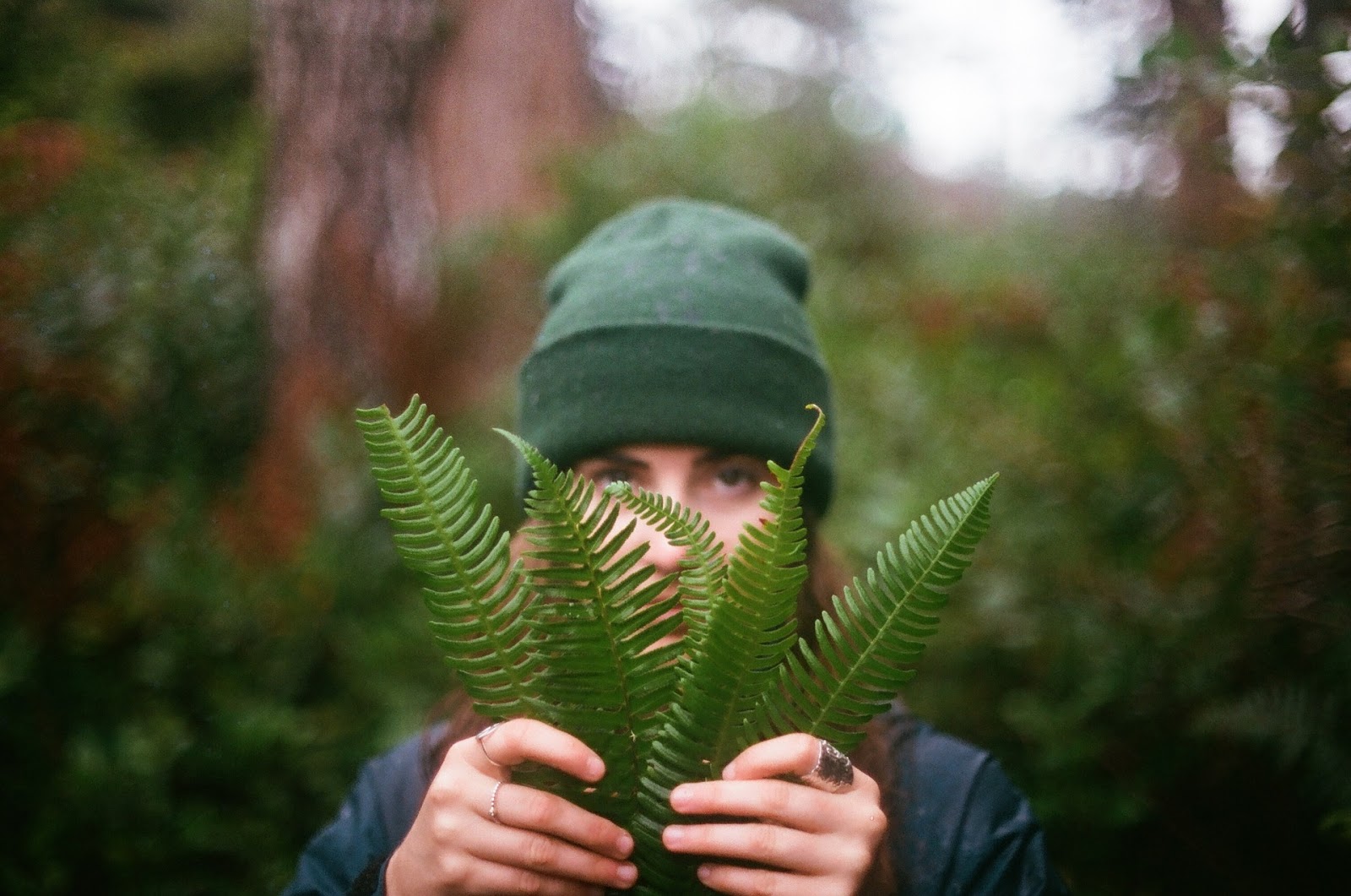
Do you worry about your plants when you leave for vacation? Do you greet them first thing in the morning? Are you the type of gardener that tells your potted babies to take care when you leave the house?
Then you may be more than a gardener. You may be a plant parent.
Here’s how to tell if you’ve taken your gardening obsession to the next level of the relationship…
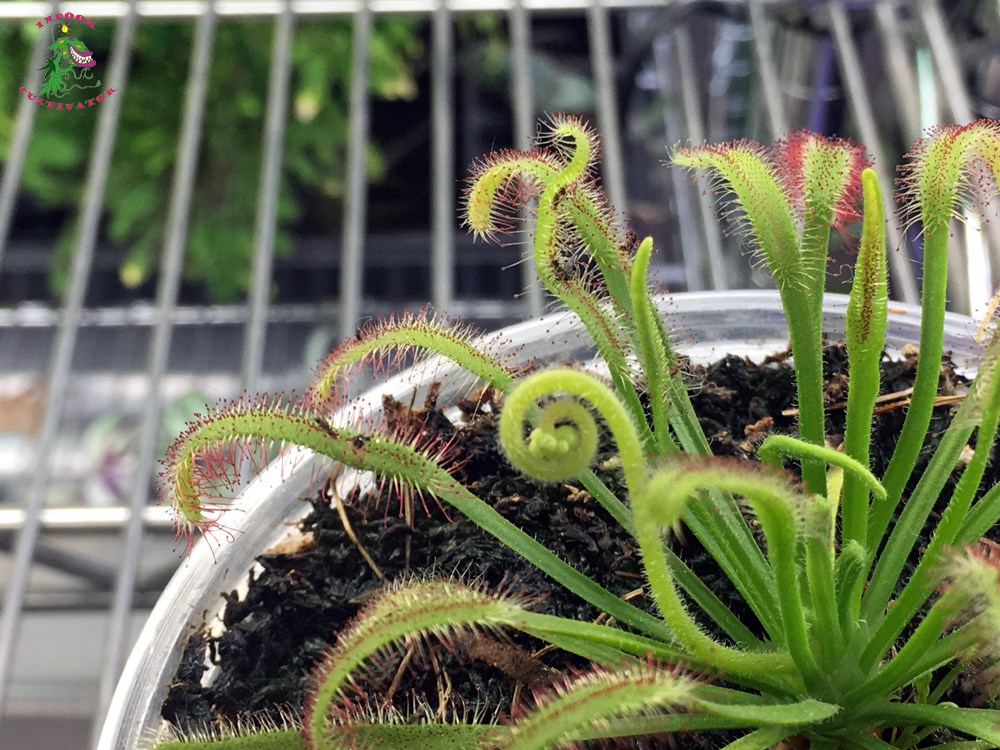
You’re on the lookout for rare specimens
Plant parents tend to be picky about which plants join their family, like a dog parent seeking out the perfect companion at a pet shelter.
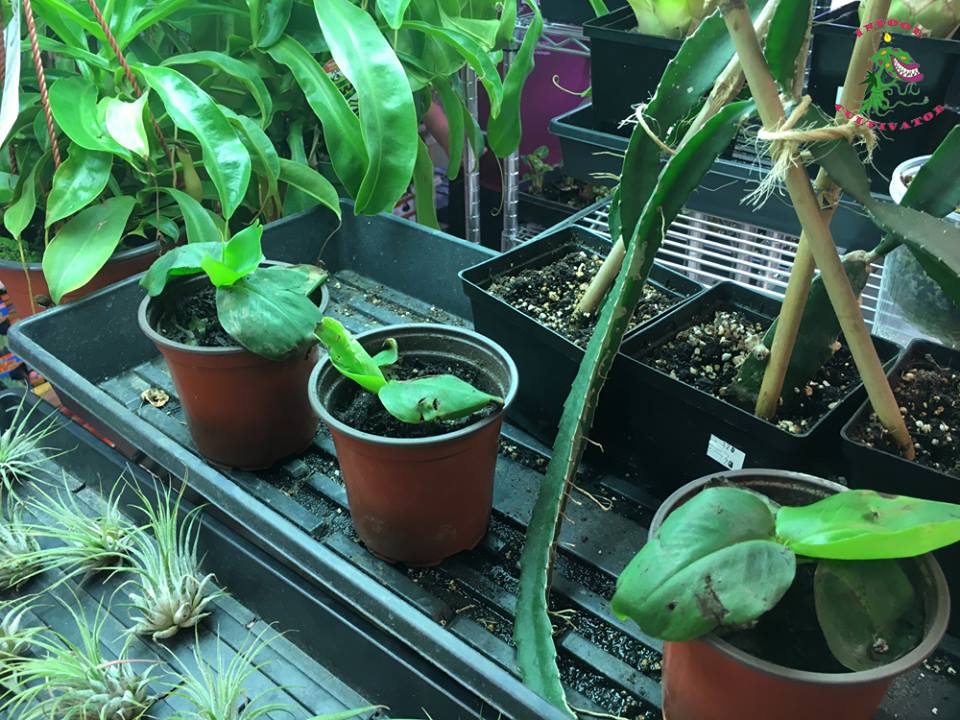
You research every plant extensively
When you get a new plant, you go all in. You find out everything there is to know about it, and probably before you even bring it home.
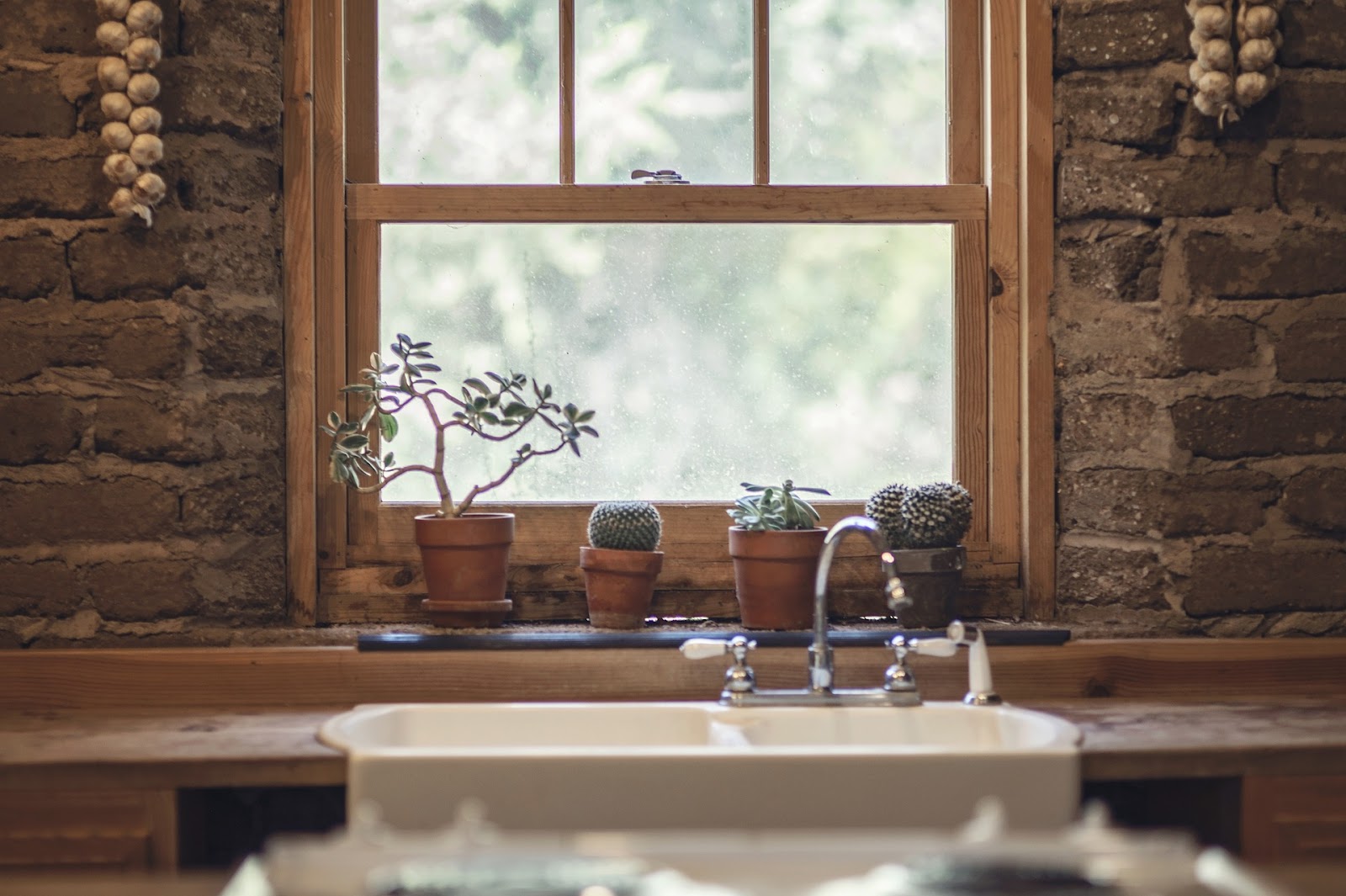
Plants are more than a temporary accessory to you
You don’t just buy a pot of flowers to stick on the table for guests to see when they come over. You plan meticulously where each plant should go before you even bring it home. All of your plants have their own special space. And they aren’t just décor.
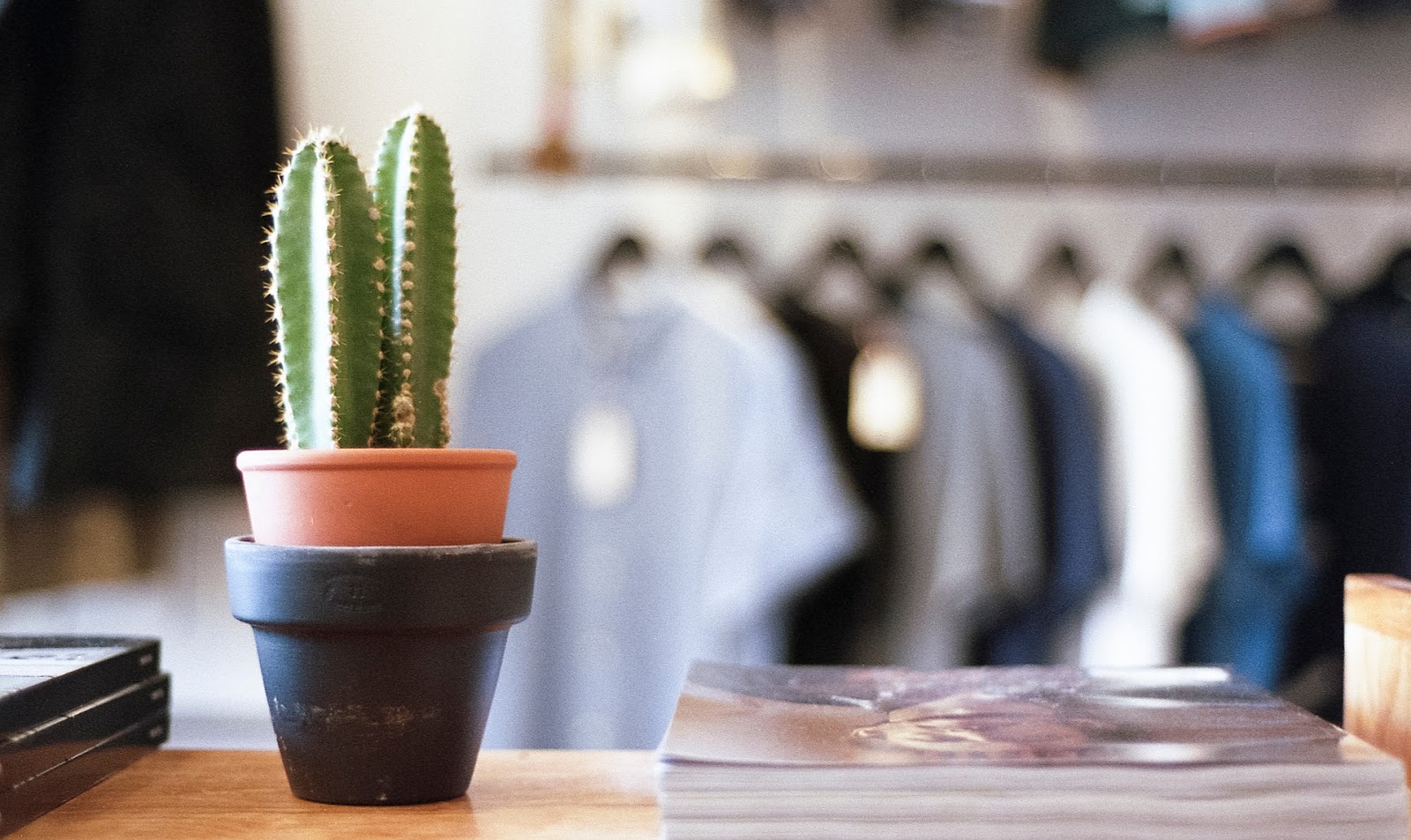
The majority of your plants live indoors
You’re not going to leave your precious plants to the whims of nature. Plant parents watch every stage of growth, and they plan their plants’ nutrition precisely.
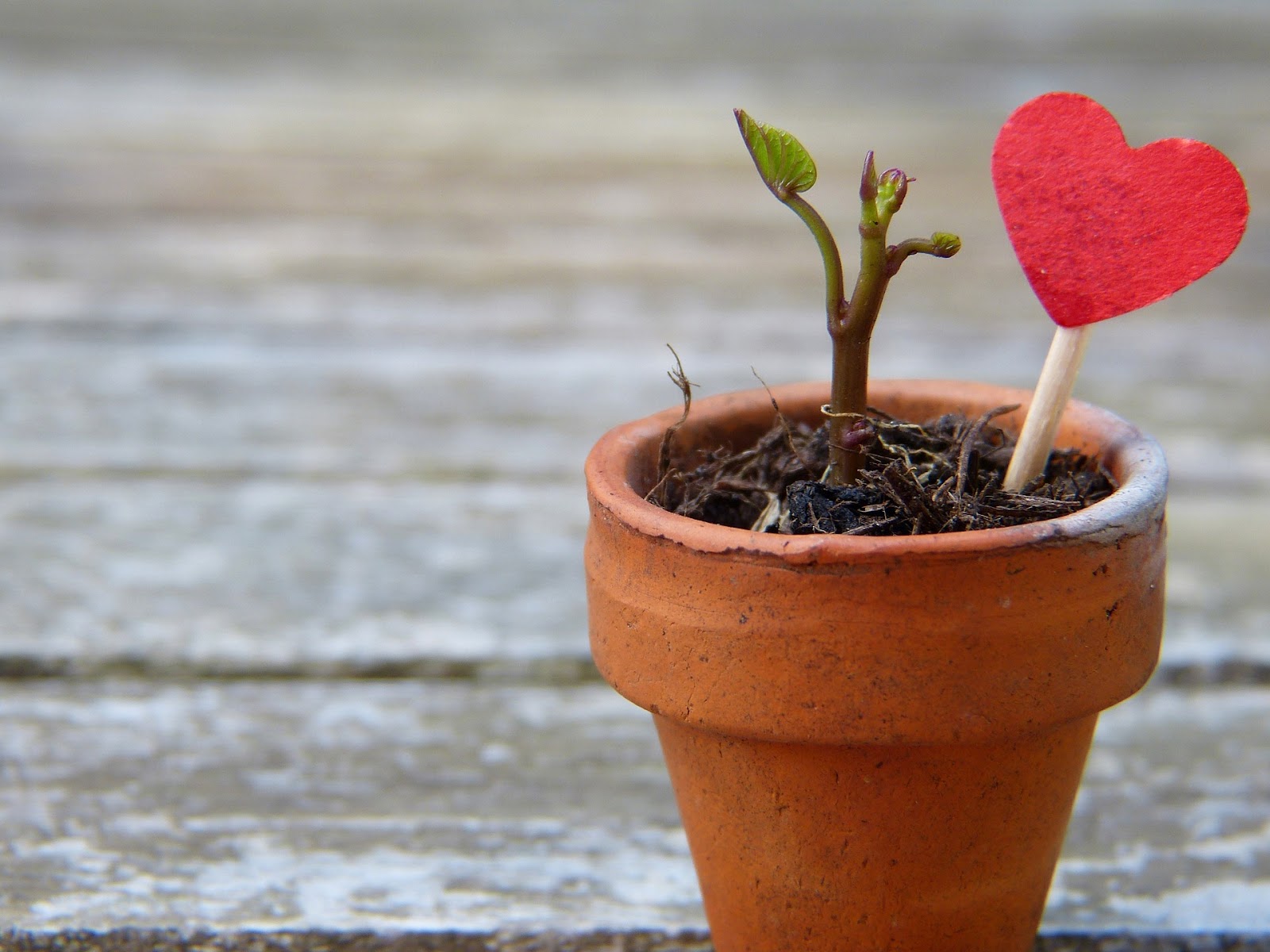
You patiently await the blooming stage
Plant parents love to watch their plants grow. And they learn patience in the process because blooms take time.
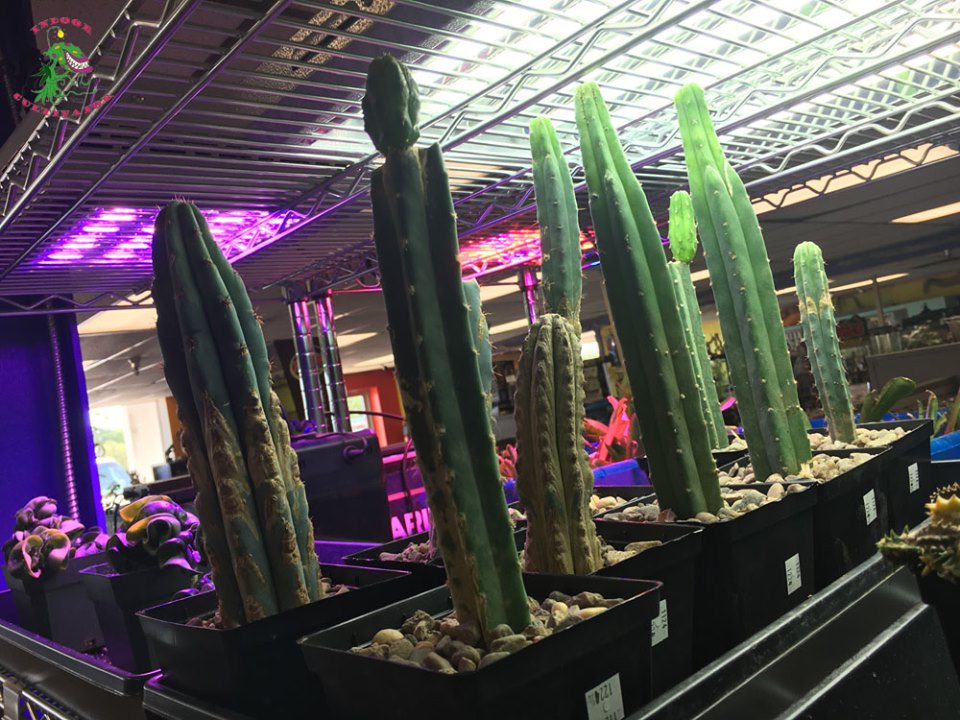
You keep adding to your plant family
Houseplants seem to have a way of multiplying. You know the cliché about crazy cat people? Plant parents are basically crazy plant people, with greenery taking over their homes.
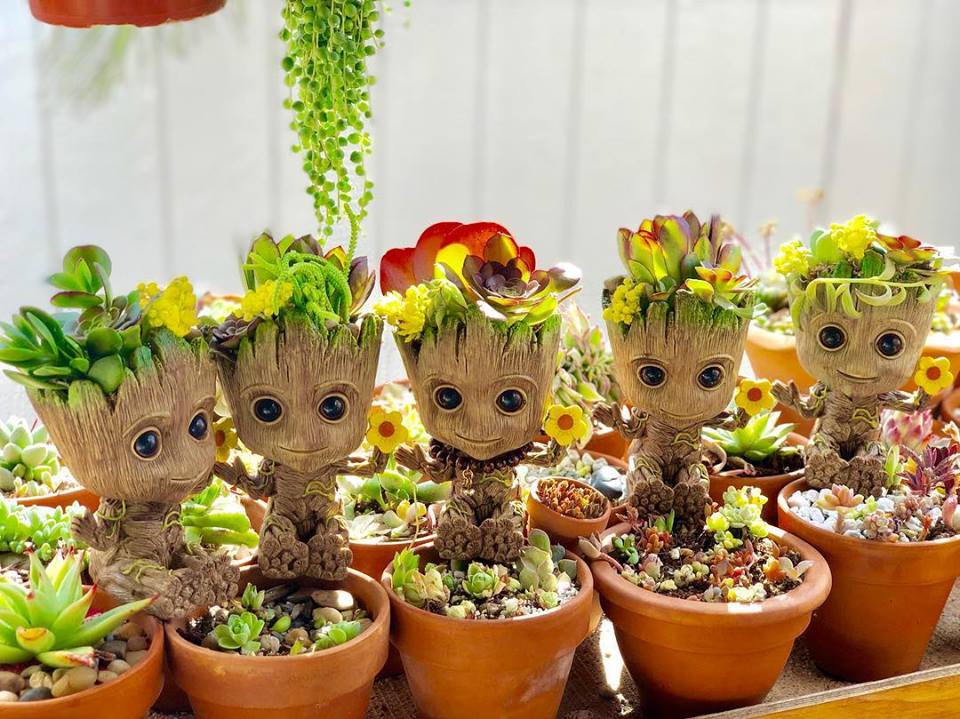
You fret about which containers to use
Pet owners and parents get to pick cute accessories for their fur babies and tiny humans, so why shouldn’t you have the same luxury? Container selection is a blend of practicality and design aesthetic.

Being surrounded by plants makes you deliriously happy
Some people have pets. Some have kids. You’ve got succulents, indoor trees, and tropical plants. And you feel entirely emotionally fulfilled.
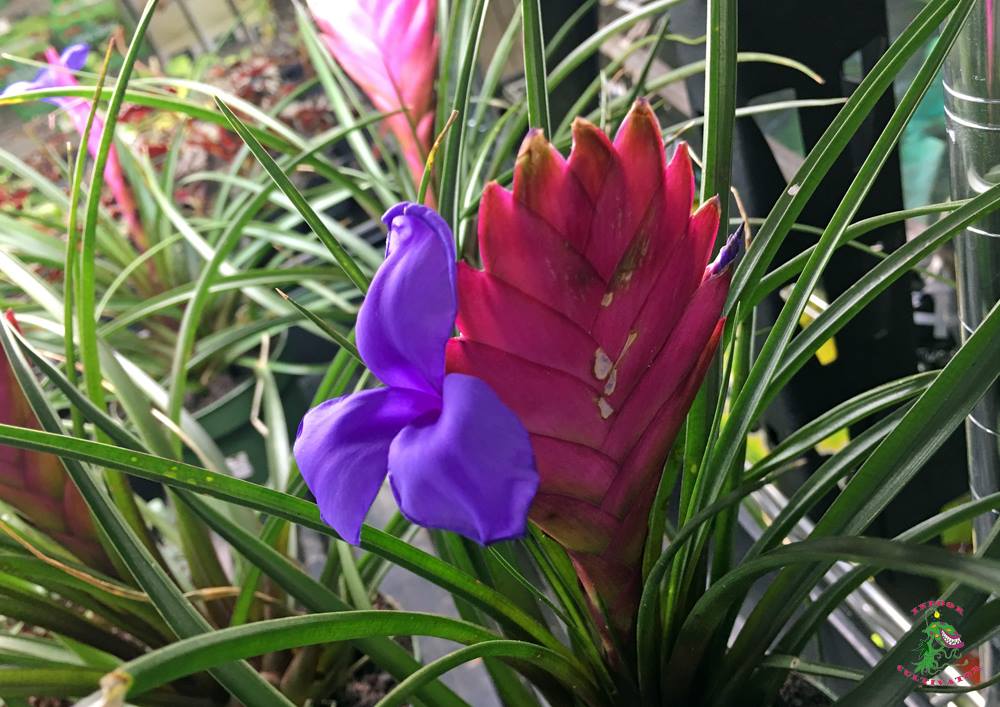
You love to show off your indoor garden
Like a proud parent, you care for your specimens, watch them grow, and invite every visitor to marvel at them...even if the visitors don’t seem to care as much as you do.

You plants take center stage on your social media
You follow plant bloggers and vloggers, and your social media feeds share more pictures of your plants than yourself. Or maybe just lots of selfies with your precious plants.

You give your plant babies haircuts
Okay, other people might call it pruning. But you know that it’s really a bonding experience.
So, are you an obsessed plant parent? No judgment here. Indoor Cultivator is happy to help you keep your plant babies healthy. Follow us on Facebook for all our indoor gardening tips.
Frequently Asked Questions
What is a plant parent?
A plant parent is someone who treats their houseplants with the same care and attention as a pet. They name their plants, worry about them when traveling, celebrate new growth, and feel genuine sadness when one dies. The term reflects the emotional connection many people develop with their indoor gardens.
Is being a plant parent a real thing?
Absolutely. Research shows that caring for plants provides genuine mental health benefits including reduced stress, improved mood, and a sense of purpose. The emotional attachment plant parents feel is real and valid. Many people find that tending plants fills a nurturing need similar to caring for animals.
Frequently Asked Questions
What is a plant parent?
A plant parent is someone who cares for their houseplants with the same attention and affection typically reserved for pets. They name their plants, worry about their health, celebrate new growth, and may feel genuinely sad when a plant dies. It is a lighthearted term embraced by the houseplant community.
Is being a plant parent a real hobby?
Yes. The houseplant hobby has exploded in popularity, with dedicated communities on social media, plant swap events, rare plant collecting, and even plant-sitting services. It combines elements of interior design, biology, and nurturing into an accessible, rewarding hobby.