
Have you noticed that some plants are just harder to grow than others? Maybe you consider yourself a decent indoor gardener, and you’ve kept dozens or even hundreds of plants alive. But most of us at some point encounter a plant that just won’t cooperate despite doing all the things we usually do.
When that happens, you likely have a difficult plant. And like a difficult child, these plants need a special plan of action. Here’s what to do.
Check the temperature
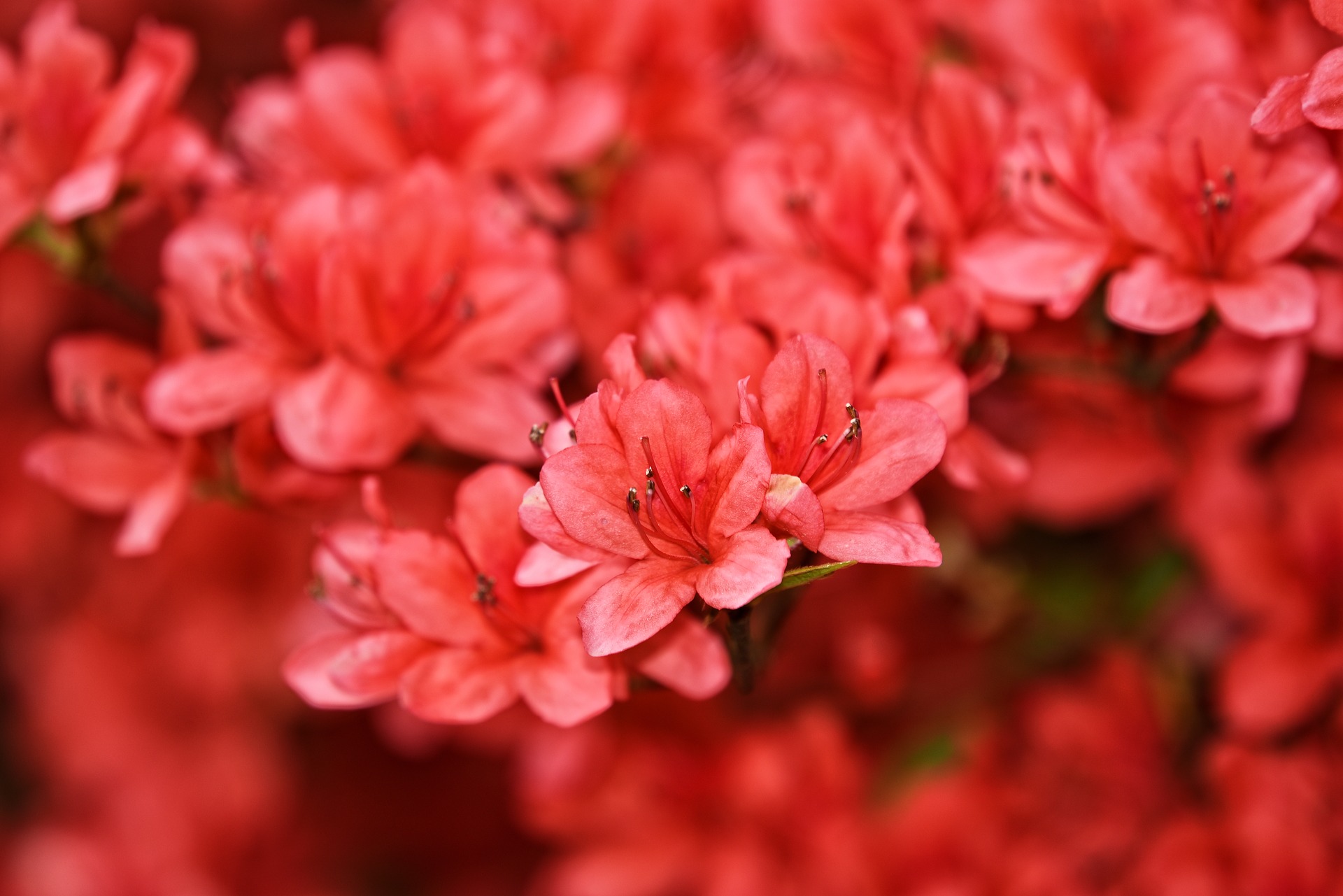
Most plants do fine at about the same temperature, 70 degrees F, give or take 5 or so degrees. But not all plants prefer the same climate. You ever do something nice for a kid, like buy them ice cream, and then they just complain about being cold rather than saying thank you? Yeah, azaleas are like that. Except it’s the heat they don’t tolerate.
The best temperature for azaleas is around 60 to 65 degrees F. That’s because their native habitat is in the shady area under trees. Unfortunately, this is cooler than most people keep their homes. Also, if you have a grow room with other plants, it’s unlikely that you keep the room at this temperature. Most other plants do better in slightly warmer settings. Some plants prefer temperatures that reflect their tropical origins.
If you have a plant that doesn’t seem to be thriving, one of the best things you can do is check what temperatures are like in its native habitat.
Check the humidity

Speaking of azaleas, they also have this quirky need for humidity along with their shade. Cool and humid isn’t typical of many climates. But you can’t expect all indoor plants to do their best in the climate you live in. Many plants that we typically grow indoors originated in very different climates.
Humidity and watering requirements can vary greatly between say, a succulent like an aloe plant that needs to dry well between waterings, and a Boston fern that would do well in a room with a humidifier to keep the air moist.
Measure and adjust pH
Let’s pick on azaleas a little more. After all, they’re notoriously difficult to keep alive indoors. Unlike a lot of potted plants, they need slightly acidic soil. If you don’t know that, and you don’t adjust their soil pH, your plant will start to look rough. It’s not just the azaleas though. All plants have optimal pH levels. So if your plants are suffering, measuring and adjusting the pH may just bring your hard-to-grow plants back to life.
It’s simple to do. You can buy inexpensive pH test strips or a digital pH tester. Then, when you know whether you need to add a base solution (to increase pH) or an acid solution (to decrease pH), you simply add it to the water you give potted plants or to the nutrient reservoir for hydroponic plants.
If your indoor garden pH levels are off, come into Indoor Cultivator and talk to our team about which base or acid solutions you need to correct the levels.
Frequently Asked Questions
Why are some houseplants so hard to grow?
Difficult plants typically have very specific needs for humidity, light, temperature, or watering that differ from typical household conditions. Calatheas need high humidity, fiddle leaf figs need consistent bright light, and orchids need specific watering cycles. The key is matching the plant to your environment, not forcing it.
How do I keep a difficult plant alive?
Research its specific needs thoroughly, invest in a humidity tray or small humidifier if it needs moisture, ensure proper light (supplement with grow lights if needed), and be consistent with watering. A hygrometer and light meter are inexpensive tools that take the guesswork out of plant care.
Frequently Asked Questions
Why do some houseplants keep dying?
Common reasons include incorrect light levels (too much or too little), overwatering (the number one plant killer), wrong pot size, drafty locations, and choosing plants that don't match your environment's humidity. Research each plant's specific needs before purchasing, and start with forgiving species.
How do I keep difficult plants alive?
Match the plant to your environment rather than fighting it: choose humidity-loving plants if you have a humid room, low-light plants for dim spaces. Use a moisture meter instead of guessing watering schedules, and quarantine new plants for two weeks to check for pests before adding them to your collection.