
Bioactive Tips for Arboreal Reptiles and Amphibians
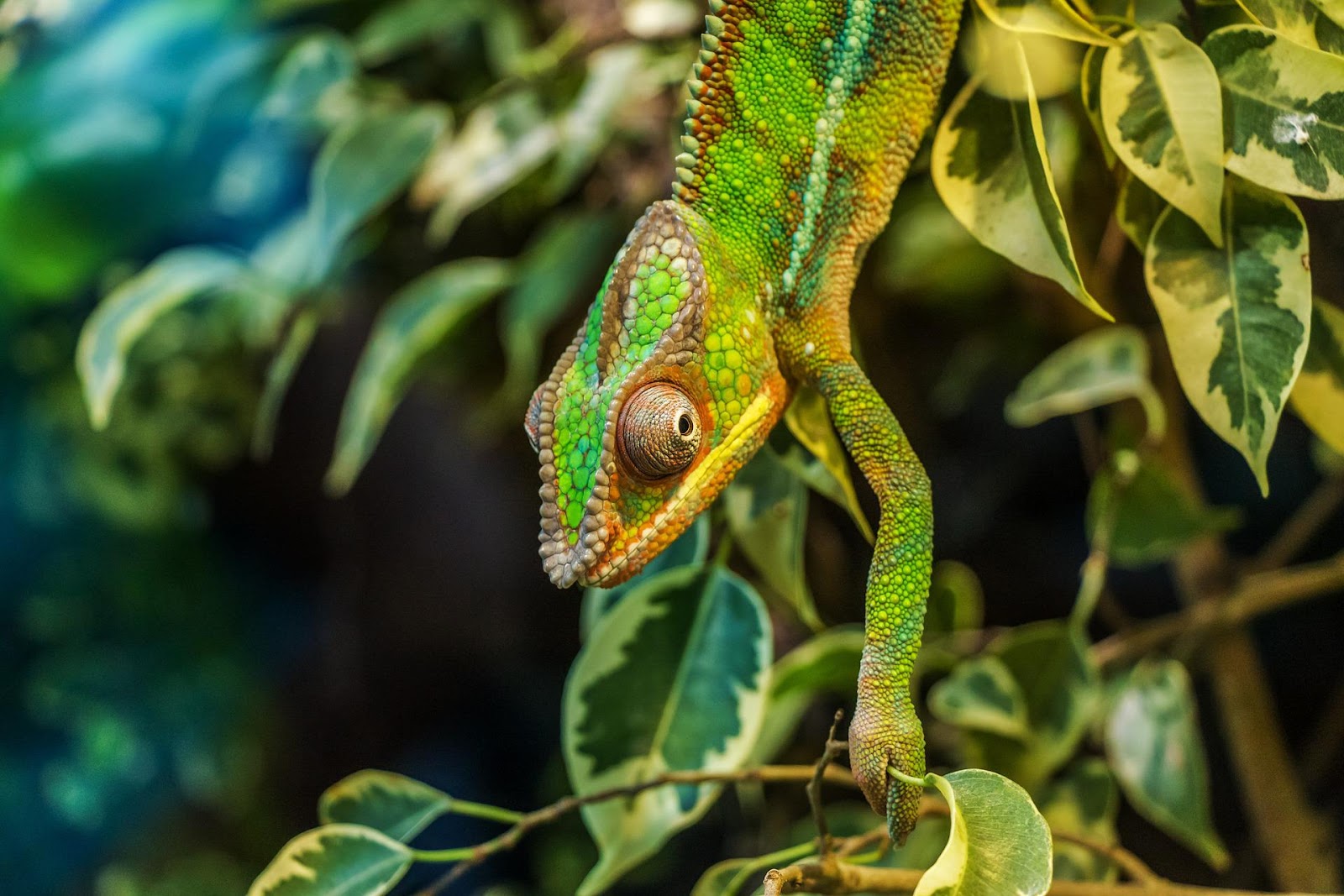
Want to create a bioactive setup for an exotic pet that loves to climb?
It’s actually not all that different from any other bioactive setup, but there are a few tips that can help you make the best home possible for your arboreal reptile or amphibian, especially if you want your terrarium to look good.
In fact, arboreal setups can provide lots of opportunities for getting creative with your animal’s habitat. Here are our tips for creating a bioactive enclosure for climbing reptiles and amphibians.
The enclosure doesn’t have to be vertical
A vertical enclosure is a popular choice for arboreal species, but you don’t necessarily have to go with a vertical tank. The most important thing is that the terrarium is large enough for the animal to move about freely and naturally, even after adding any plants or other bioactive features.
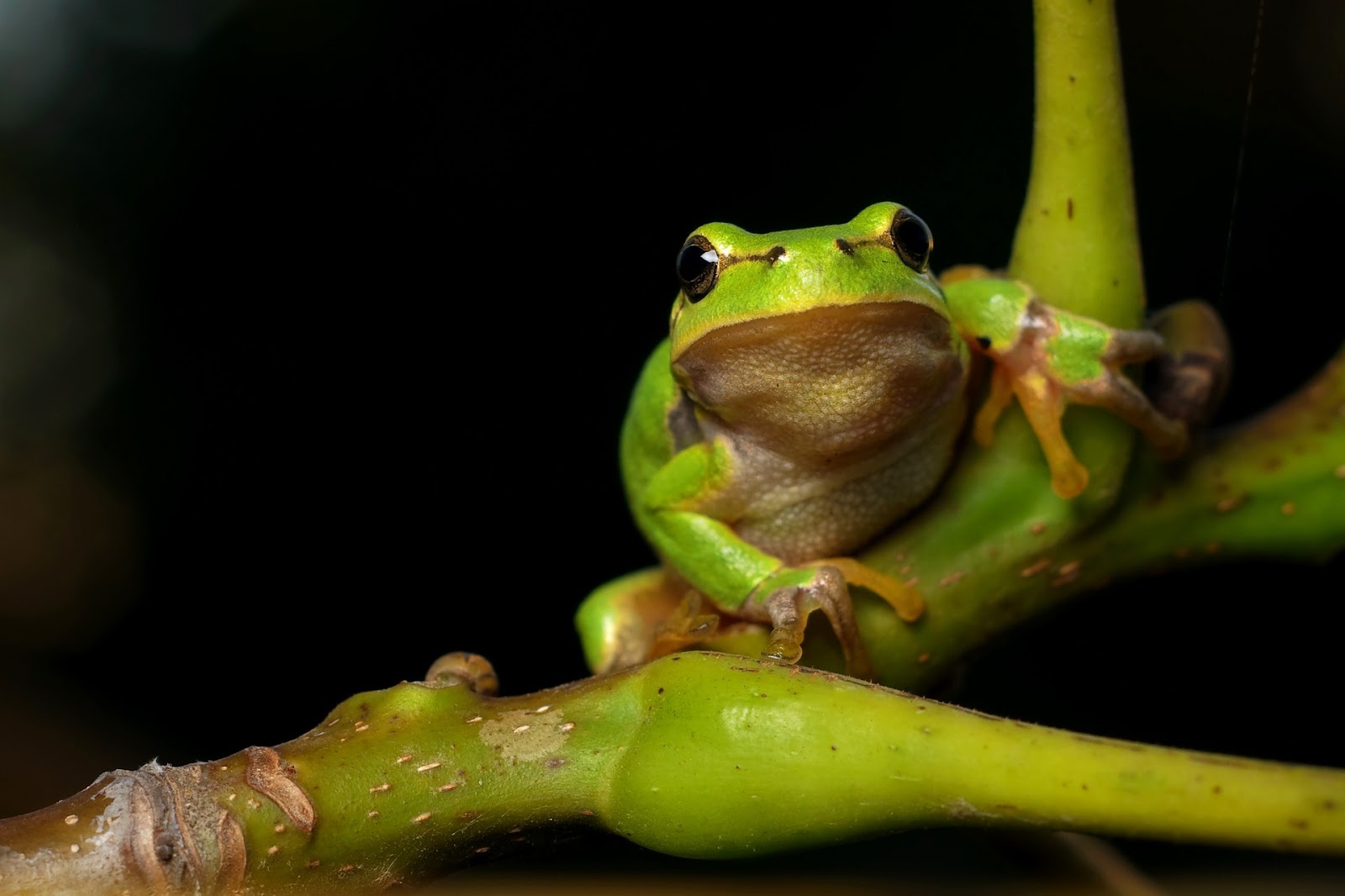
When in doubt, always go with a bigger terrarium than you think is necessary. Larger species will certainly need taller tanks in order to climb.
Some arboreal species, however, such as some tree frogs and geckos, may be small enough that you can create plenty of climbing space in a horizontal terrarium.
That being said, because climbing is important to arboreal species, you can also opt to create a vertical enclosure by simply turning a horizontal terrarium on its side. In some cases, this may be more affordable than purchasing a specifically vertical-designed enclosure.
Creating a vertical enclosure out of a horizontal one will require some alterations to be made to complete the conversion.
Provide multiple sources of climbing enrichment
The big difference between an arboreal bioactive setup and a terrestrial bioactive setup is the types of plants, décor, and other enrichment objects you are going to add to the enclosure.
Obviously, the typical plants for bioactive enclosures, such as philodendrons, are not going to be great for your reptile or amphibian to climb on. You’re going to, instead, need something sturdier and more robust.
Lucky bamboo can be a great option and is low maintenance. Just make sure it doesn’t grow too large.
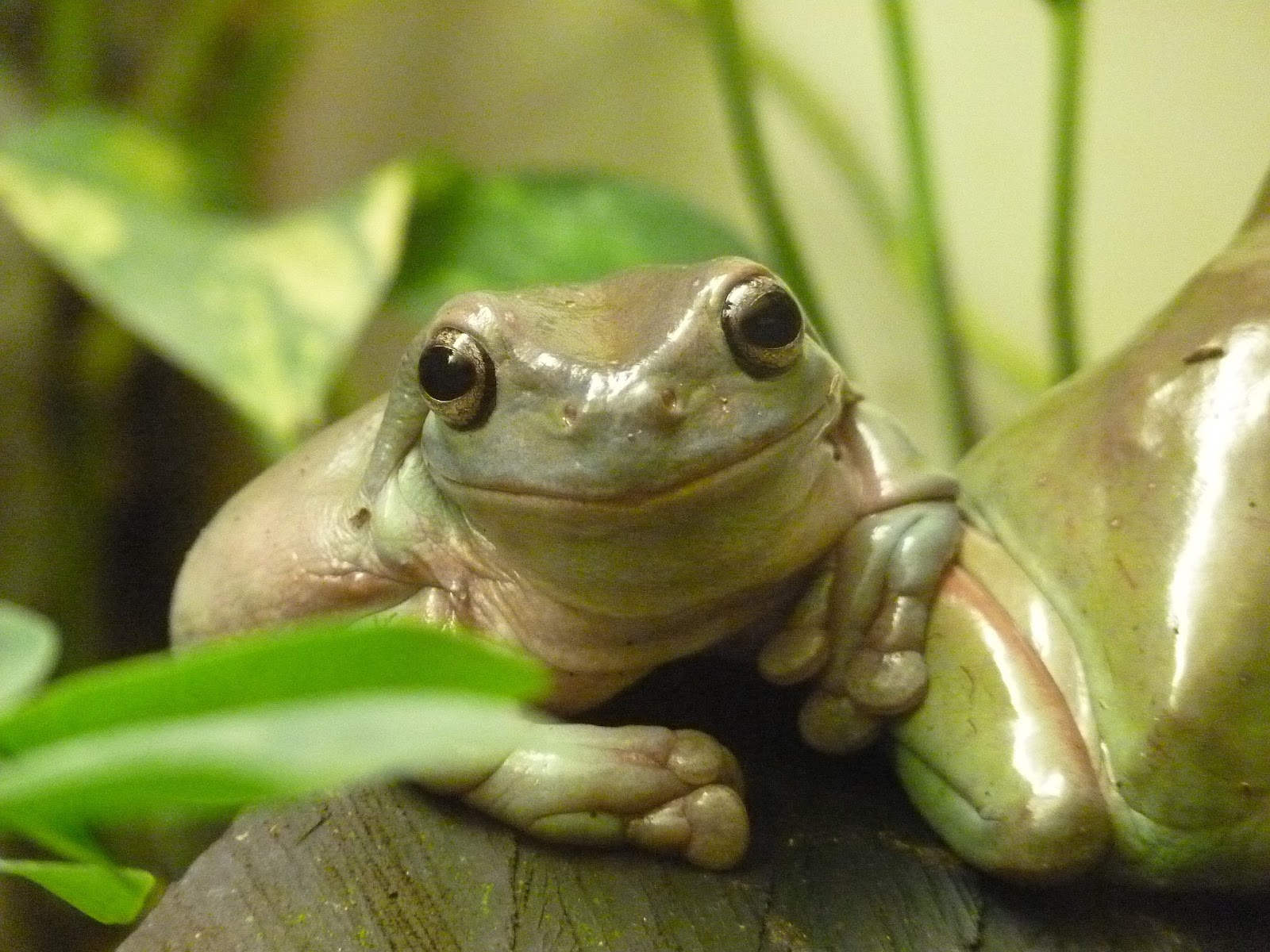
You can, of course, still add the more typical bioactive plants along the bottom of the enclosure to suit your aesthetic. And not all enrichment has to be a live plant. Branches, logs, and rock walls can also be arranged for climbing enrichment.
You can find forest branches for climbing enrichment at our online exotic pet shop.
Affix plants with spray foam
If you’ve watched any videos of how other people create vertical bioactive setups, you’ve likely seen people creating really cool, naturalistic backgrounds for their animal’s habitats. Many keepers use spray foam to create these backgrounds.
With an arboreal setup, you can actually use the spray foam to create a pocket for plant containers so that you can easily add more plants to the terrarium walls, as shown in the photos below.
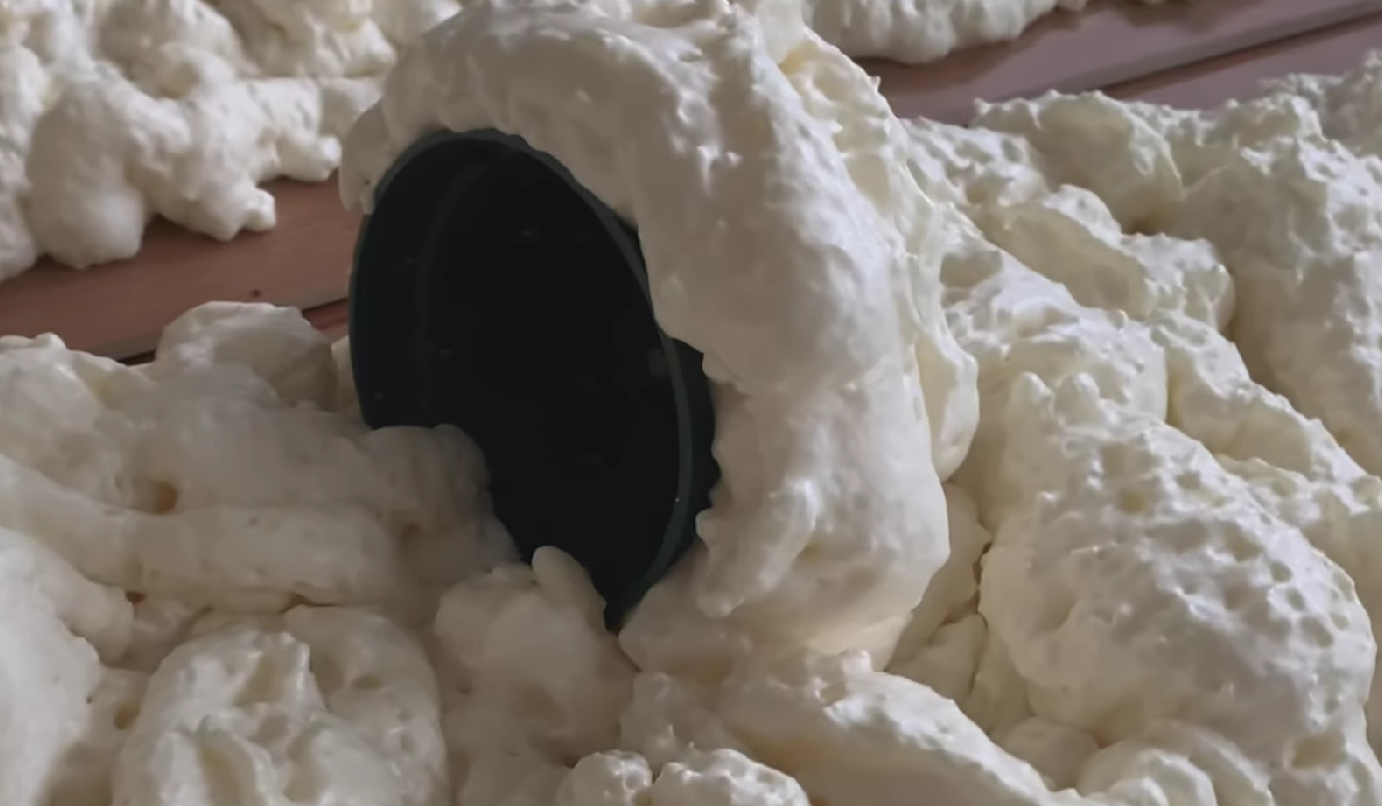
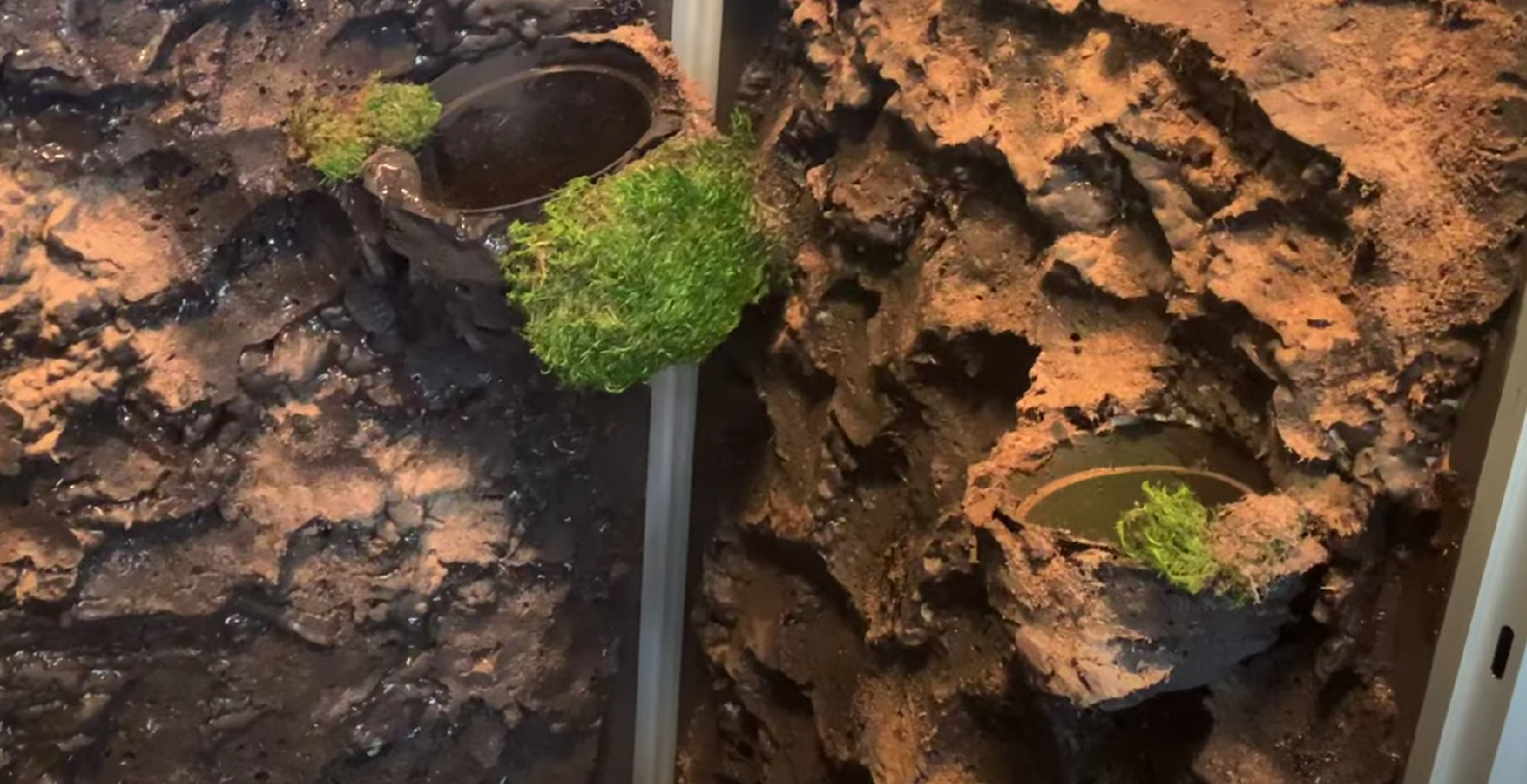
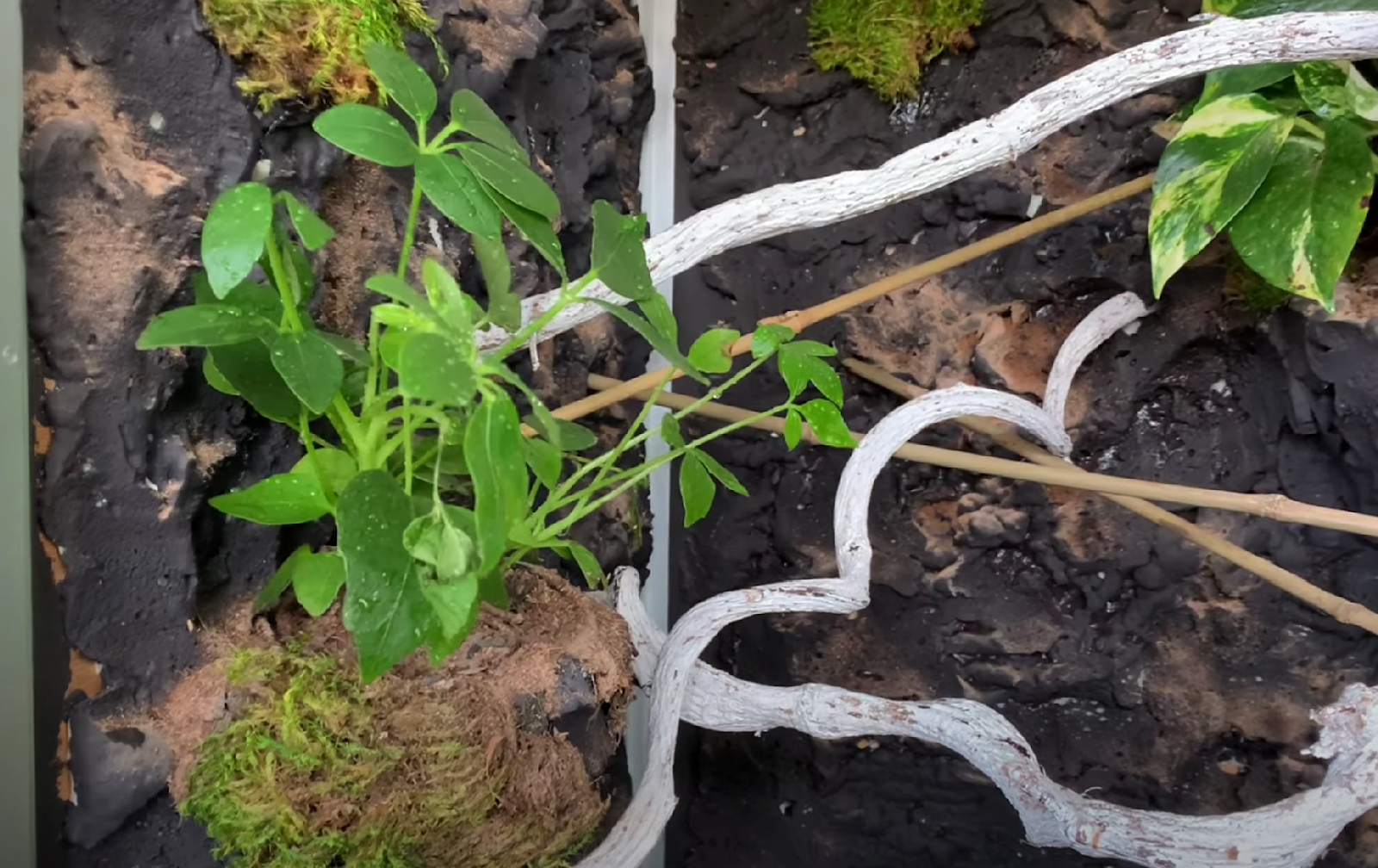
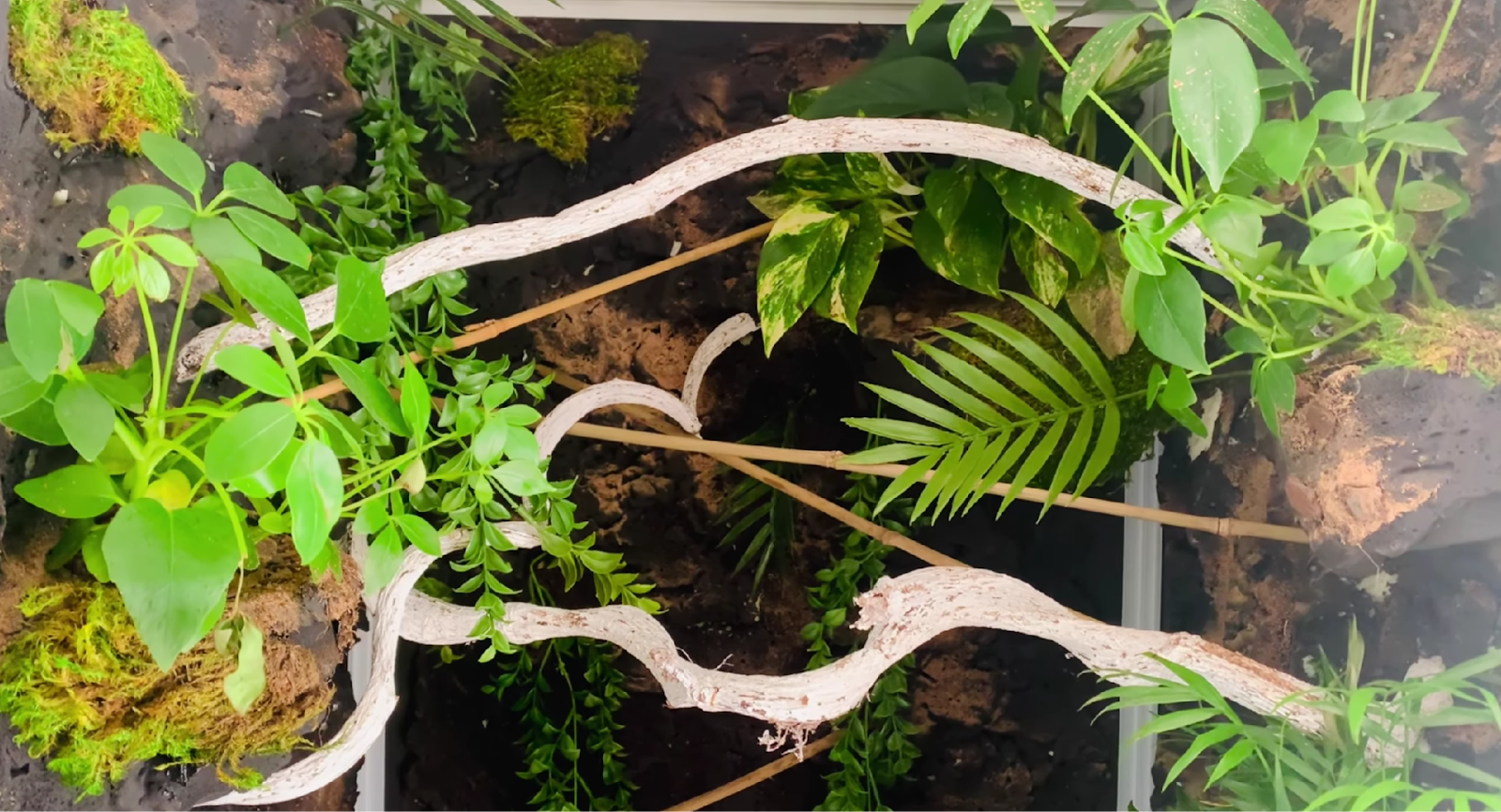
Photos courtesy of Reptilian Garden
Frequently Asked Questions
How do you set up a bioactive enclosure for arboreal reptiles?
Start with the standard bioactive layers (drainage, mesh barrier, substrate, cleanup crew), then focus on vertical space: add cork bark tubes, branches at multiple heights, and climbing-friendly live plants like pothos and bromeliads. Use background panels or cork bark walls to maximize usable climbing surface.
Does an arboreal bioactive setup need a tall enclosure?
Not necessarily. While vertical space is ideal for arboreal species, a wider enclosure with well-placed climbing structures, tall branches, and vertical cork bark panels can work effectively. The key is providing usable climbing surfaces and elevated resting spots, not just empty vertical space.